
10 SaaS Lead Generation Strategies for 2026
Most SaaS teams do not need more leads. They need a lead generation system that fits their stage, sales motion, and buying cycle.
Strong content programs can produce substantially more leads over time, as shown in HubSpot’s research on companies that publish more frequently generating more traffic and leads. But content alone does not build pipeline. Neither does outbound alone. Predictable SaaS growth comes from combining the two, then connecting them to qualification, nurture, and conversion.
That is where many teams break down. Marketing runs paid search, content, and webinars as separate programs. SDRs run outbound with their own targeting and messaging. Sales follows up based on who replied first, not who fits best. The result is familiar. Early-stage teams chase lead volume before they know which accounts close. Growth-stage teams add channels before they have clean attribution and tight handoffs. Enterprise teams generate engagement but miss deals because no one is coordinating touches across the full buying group.
The better model is a full-funnel engine built by stage.
Early-stage SaaS needs speed. The goal is to define the ICP, test positioning, and get direct feedback from the market. Outbound usually does that fastest, while inbound starts building credibility and capturing demand already in motion.
Growth-stage SaaS needs repeatability. At this point, outbound should target high-fit segments with proven messaging, while inbound should convert that interest through stronger content, paid acquisition, and tighter funnel design.
Enterprise-focused SaaS needs orchestration. Outbound opens target accounts, inbound validates trust, and nurture keeps multiple stakeholders engaged through a long evaluation cycle.
The 10 strategies below work best as a coordinated playbook, not a collection of isolated tactics. Each one has a different job in the funnel. Each one also carries trade-offs that change by company stage. The goal is not to do all 10. The goal is to combine the right few into a lead generation engine that produces qualified pipeline consistently and gives the sales team a fair shot at forecastable growth.
1. Cold Email Outreach Campaigns
Cold email still works in SaaS because it reaches buyers before they ever fill out a form. It fails when teams confuse it with list blasting.
For early-stage SaaS, cold email is often the fastest way to validate positioning. You learn who responds, which pain points land, and which segments ignore you. For growth-stage companies, it becomes a scaling channel only after message-market fit is clear. For enterprise deals, it works best as an account entry point, not a one-email miracle.
One documented example comes from Konsyg’s review of pay-per-meeting lead generation models, which cites 220% month-over-month lead growth in specialized agencies using that structure. That’s useful because it highlights the model, not just the tactic. When the agency only gets paid for qualified meetings, list quality, targeting, and copy quality matter more.
What actually works
Start narrow. Pick one ICP, one problem, one offer.
Then build campaigns around relevance:
-
Targeting first: Use company size, industry, tech stack, hiring signals, and role seniority to narrow the list.
-
Personalization that matters: Mention a trigger, operational challenge, or strategic priority. Don’t just swap in a first name.
-
Single CTA: Ask for one next step. Usually a short call.
Practical rule: If the email could be sent to 500 companies without changing a word, it isn’t personalized enough.
Multi-touch sequences matter, but restraint matters too. Teams often over-explain in email one and underperform on follow-up. Keep the first email short. Use later touches to add proof, a fresh angle, or a sharper problem statement.
Stage fit and trade-offs
Early stage benefits from speed. Growth stage benefits from process. Enterprise benefits from account research and coordination with LinkedIn, ads, and sales.
Cold email won’t save weak product-market fit. It also won’t compensate for bad list hygiene or poor deliverability. But when paired with strong targeting and a clear value proposition, it’s still one of the most direct saas lead generation strategies available.
2. Account-Based Marketing
ABM is what you use when the wrong logo is almost as costly as no logo.
This approach fits growth-stage and enterprise SaaS better than very early-stage startups. If you’re selling into larger organizations, broad lead volume can distract the team. You don’t need more leads. You need the right accounts moving together.
The strongest ABM programs start with a short list. Not hundreds. A focused set of accounts that sales and marketing both agree are worth concentrated effort.
How to run ABM without making it bloated
Build around account selection, buying committee mapping, and coordinated touches.
A practical setup looks like this:
-
Pick priority accounts: Focus on companies with a clear operational need, budget potential, and strategic fit.
-
Map stakeholders: Economic buyer, champion, end user, and blocker all need different messaging.
-
Orchestrate channels: Email, LinkedIn, ads, relevant content, and direct sales outreach should reinforce the same thesis.
ABM gets stronger when you layer in predictive signals. In B2B SaaS, AI-powered predictive lead scoring models can deliver a 20 to 40% lift in conversion rates for top-performing teams when replacing manual MQL rules with models tied to pipeline outcomes. That matters in ABM because it helps teams prioritize which target accounts are showing real buying intent instead of surface-level engagement.
Good ABM doesn’t feel like marketing to the buyer. It feels like the vendor already understands the account.
Stage fit and trade-offs
Early-stage SaaS can borrow ABM thinking without building a full program. Pick a handful of dream accounts and learn from them.
Growth-stage companies should use ABM when ACV is high enough to justify targeted outreach. Enterprise SaaS should treat ABM as the default for strategic accounts.
The trade-off is effort. ABM creates better-fit pipeline, but it demands tighter coordination and more research per account. If your sales and marketing teams still disagree on who the ICP is, fix that before you add an ABM platform.
3. LinkedIn Sales Navigator and Outreach
LinkedIn is where a lot of SaaS teams do weak networking instead of deliberate prospecting. Used well, it gives you context before you ask for attention.
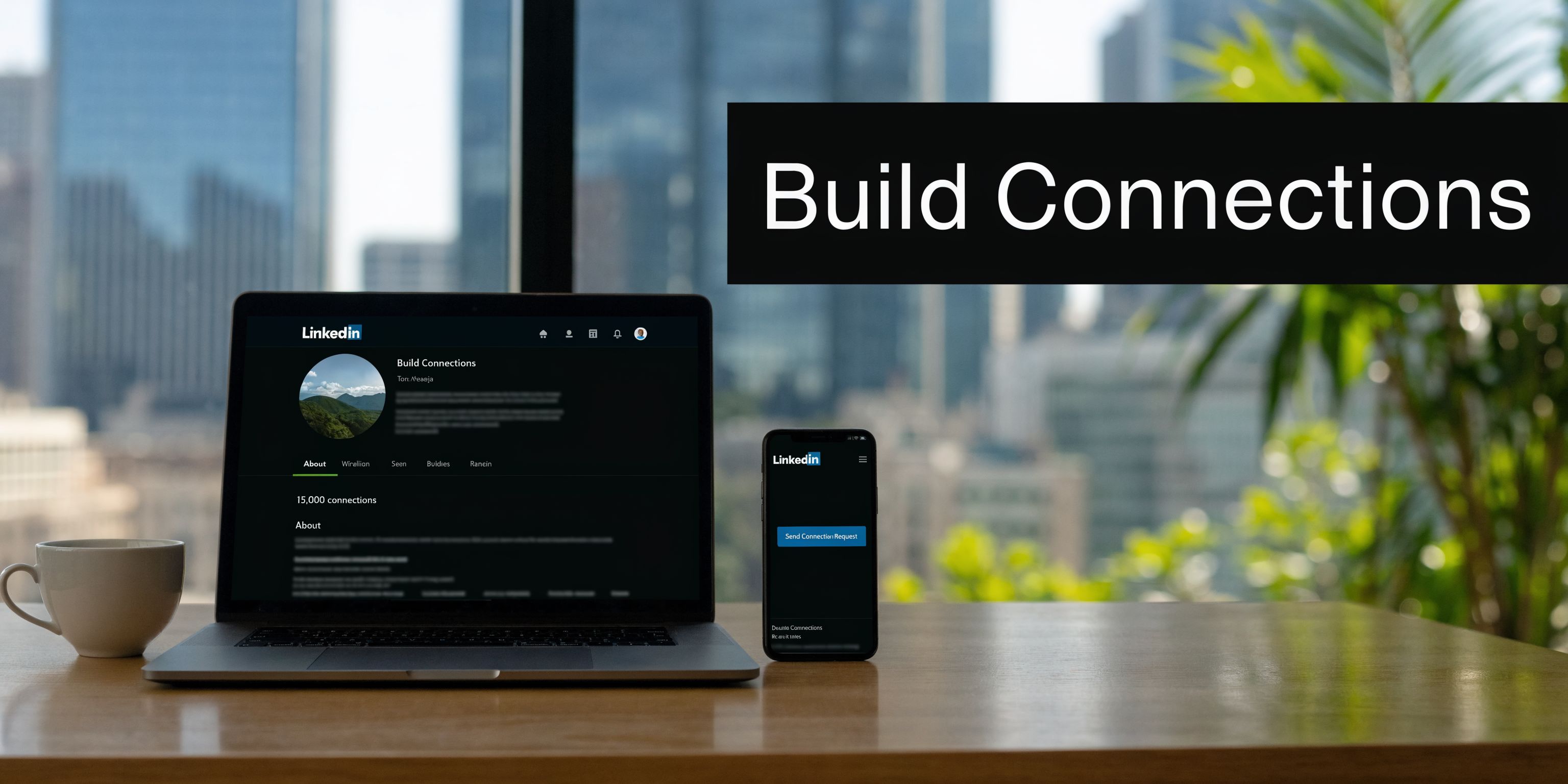
For early-stage companies, LinkedIn helps validate who feels the pain you’re targeting. For growth-stage teams, Sales Navigator becomes a research and targeting layer that makes outbound sharper. For enterprise sellers, it’s one of the best places to map buying committees and spot role changes, promotions, and hiring activity.
How to use it beyond connection requests
Sales Navigator is most useful before outreach, not during it. The goal is to build better assumptions.
Use it to identify:
-
Role-specific buyers: Filter by function, seniority, geography, and company headcount.
-
Trigger events: New funding, expansion hiring, job changes, and leadership shifts.
-
Shared context: Mutual connections, posted content, and current priorities.
Then use LinkedIn as the warm-up, not always the close. Engage with a prospect’s post. Send a thoughtful connection request. Follow with email once they recognize your name.
That blend works because LinkedIn creates familiarity and email creates action.
What works by stage
Early-stage founders often do best with founder-led outreach on LinkedIn because authenticity is still an advantage.
Growth-stage teams can systematize research and outreach handoffs between SDRs and AEs.
Enterprise teams should use LinkedIn to multi-thread across stakeholders inside one account, especially when one contact goes dark.
The trade-off is time. LinkedIn outreach feels easier than email, so teams often drift into low-output activity. Browsing isn’t pipeline generation. Save searches, define daily research quotas, and move promising conversations into a structured sequence quickly.
Used on its own, LinkedIn can become slow. Used with cold email and account research, it becomes one of the most practical saas lead generation strategies for B2B SaaS.
4. Content Marketing and SEO-Driven Lead Generation
Content and SEO are the channels that keep producing after the campaign ends.
For SaaS, that matters because buyers do a lot of research before they ever reply to an email or book a demo. In B2B, buyers often consume 5 to 7 pieces of content before engaging sales. If your brand is absent during that research phase, outbound has to work harder to create trust from scratch.
A strong content program does two jobs at once. It captures existing demand through search, and it gives sales better assets to use in outbound sequences, follow-ups, and late-stage deal cycles.
Why content compounds
Content works best when it follows buying intent, not a publishing calendar. Teams that post generic leadership takes usually get traffic without pipeline. Teams that build pages around real buyer questions get both.
Use three content layers:
-
Problem-aware content: pain points, workflows, compliance issues, and operational blockers
-
Solution-aware content: comparisons between approaches, build-vs-buy, and category education
-
Vendor-aware content: alternatives, migration guides, implementation details, pricing context, and ROI framing
Search Engine Journal explains that long-tail queries usually convert better because they reflect clearer intent and lower competition than broad terms (source). That is a practical advantage for early-stage SaaS companies that cannot win broad category terms yet.
How to build the playbook by stage
Early-stage SaaS should stay close to revenue. Start with high-intent topics tied to active deals and objections sales already hears: alternatives, competitor comparisons, integration pages, implementation questions, and use-case pages. Publish fewer pieces, but make each one commercially useful. Then use those assets inside outbound. A cold email that links to a clear migration guide or ROI article gives the buyer a reason to keep reading.
Growth-stage SaaS should expand from isolated posts into topic clusters. Build supporting articles around core commercial pages. Refresh older posts, strengthen internal structure, and add proof assets such as customer stories, benchmarks, and templates. HubSpot reports that companies that prioritize blogging are more likely to see positive ROI from inbound marketing (research). At this stage, the blend matters. Inbound captures demand, outbound distributes the strongest content to target accounts that have not found you yet.
Enterprise SaaS needs content that helps a buying group reach consensus. One article rarely closes the gap. Publish pages for security reviews, procurement concerns, rollout planning, stakeholder-specific outcomes, and total cost questions. Sales can then send the right asset to the right person instead of forcing one deck on every contact.
A lot of teams underuse this channel because they treat content as a top-of-funnel traffic play. It is a full-funnel asset library.
What to prioritize first
If resources are tight, start here:
-
Bottom-funnel pages tied to active buying intent
-
Mid-funnel educational pieces mapped to common objections
-
Content refreshes on older pages that already have some rankings or links
-
Distribution through outbound, email nurture, and sales follow-up
Content updates are often the fastest win. Ahrefs found that republishing and relaunching existing content can improve performance faster than waiting for net-new pages to gain authority (study). In practice, that means stronger pipeline from a smaller library, not a bigger one.
One more practical connection. Good written content also feeds adjacent channels. Webinar recap posts, FAQ pages, and comparison pages can support event promotion and follow-up, especially if your team is also testing automated webinar platforms as part of the demand mix.
The trade-off is speed. SEO rarely helps this quarter if you are starting from zero. But once rankings and topical authority build, content lowers acquisition costs, improves outbound response quality, and gives the whole lead generation engine more credibility.
5. Webinar and Virtual Event Marketing
Webinars work when they’re built like buyer education, not feature theater.
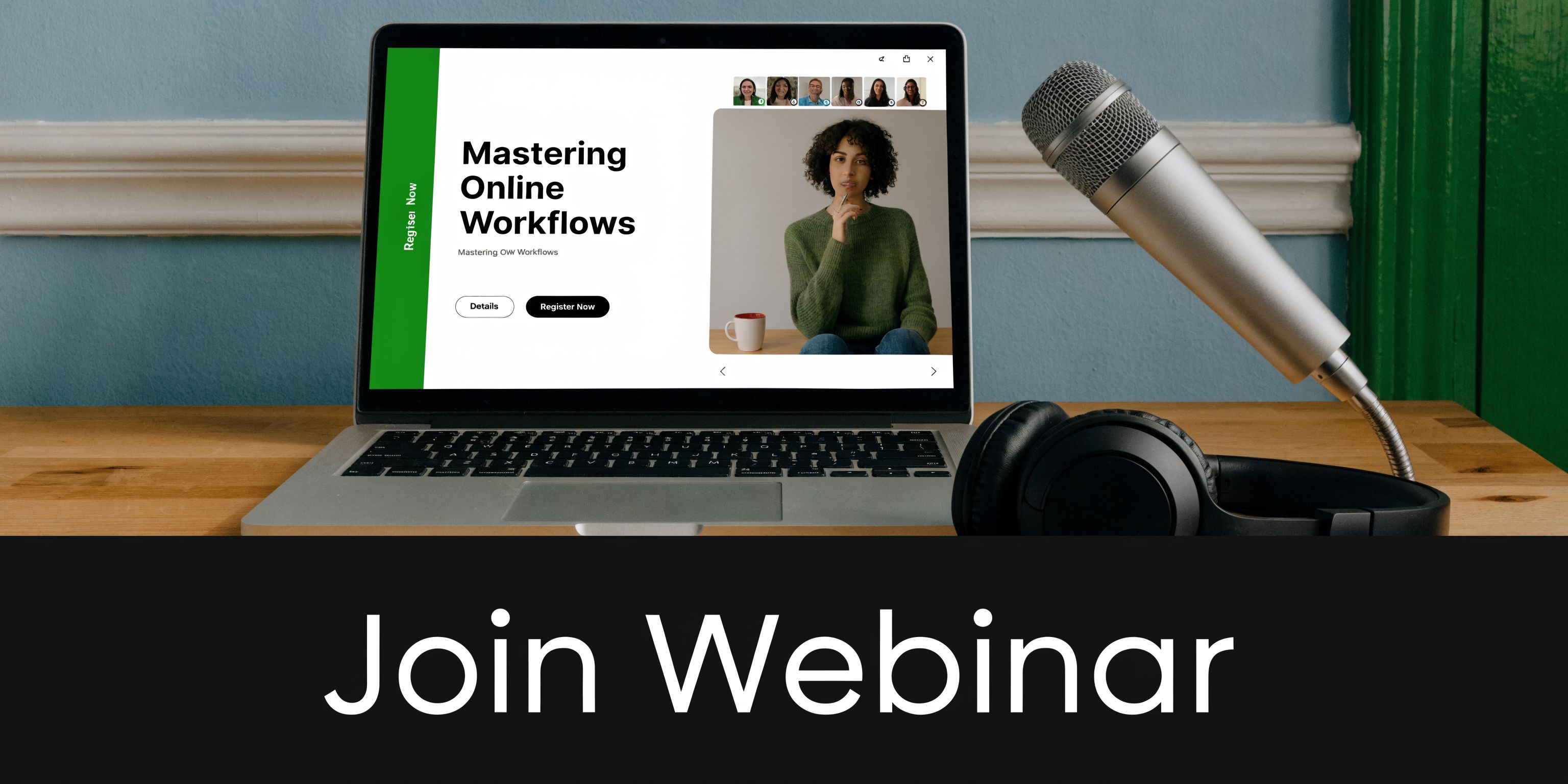
For growth-stage and enterprise SaaS, webinars are one of the best ways to create trust at scale. They let you collect intent signals, answer objections live, and create content that can be reused for weeks. For early-stage SaaS, they can still work, but the topic has to be narrow and pain-driven. A product pitch won’t pull attendance unless the brand already has demand.
What makes webinar leads useful
The registration isn’t the point. Value comes from what the attendee does before, during, and after the session.
Watch for:
-
Topic match: Did they register for a strategic pain point or a tactical workflow?
-
Engagement signals: Poll responses, Q&A participation, and viewing duration
-
Post-event action: Did they reply, book time, or consume related content?
That behavioral data matters because not all webinar leads are equal. A CFO who asks about implementation cost is different from an IC who joined for general education.
A lot of teams also miss the follow-up window. If sales waits too long, the momentum dies. Send the recording, segment attendees by engagement, and route high-intent contacts into specific outreach fast.
If you want to scale replay-based programs, there are solid automated webinar platforms that help turn one strong session into an evergreen lead source.
Stage fit and trade-offs
Early stage should keep webinars small and highly specific. Invite prospects already in conversation and use the session to educate and qualify.
Growth stage can build recurring webinar series around category education, use cases, and partner co-marketing.
Enterprise teams should use webinars to reach multiple stakeholders at once, especially for complex products that need more explanation.
The trade-off is production effort. Webinars require planning, promotion, and a real point of view. But when the topic is tied to an active buying problem, they can bridge inbound and outbound better than almost any single asset.
6. Referral and Partnership Programs
Some of the best leads never come from a campaign. They come from a customer, consultant, integration partner, or agency that already has trust.
This channel is underused in SaaS because many teams wait too long to formalize it. They assume referrals should happen naturally. Some do. Most don’t unless you make it easy.
Where referrals really fit
Early-stage SaaS often gets its first strong customers through founder networks and warm intros. That’s not a weakness. It’s signal. If the product delivers, those early wins can become the basis of a repeatable referral motion.
Growth-stage companies should turn ad hoc referrals into a process:
-
Define who can refer: Customers, agencies, implementation partners, investors, and adjacent vendors
-
Make the ask simple: Short referral forms or direct intro templates work better than complicated portals
-
Close the loop: Tell referrers what happened. Silence kills repeat behavior
Partnerships become especially valuable when your software complements another system. Integration partners, consultants, and service firms can bring in buyers who already know they need a solution.
What to avoid
Don’t overengineer the program before you’ve proven what kinds of partners influence deals.
Also, don’t treat every partner the same. A tech integration partner needs different enablement than a customer advocate or niche consultant. Give them messaging, use cases, and a clear explanation of who is a fit.
A practical scenario: a RevOps SaaS company can partner with HubSpot consultants, Salesforce implementers, and outsourced sales teams. Each already talks to buyers with the exact operational pain the software solves.
Referrals won’t usually become your only engine. That’s not the job. Their real value is quality and trust. As part of a broader set of saas lead generation strategies, they often convert faster because the relationship starts warm.
7. Paid Search Advertising
Paid search answers one question fast. Are buyers searching for this problem, this category, or this alternative strongly enough to justify budget?
That makes it one of the best validation channels in SaaS, and one of the easiest places to burn cash if the funnel underneath it is weak.
Stage matters. Early-stage SaaS should use paid search to test positioning and capture a narrow band of high-intent demand. Growth-stage teams can scale it after they have solid conversion paths, clean handoff to sales, and enough closed-won data to see which queries produce revenue. Enterprise SaaS should stay selective and bid around use cases, competitor comparisons, and bottom-funnel evaluation terms where deal value supports the cost.
Where paid search actually wins
Search works best when intent is explicit. A buyer who types “SOC 2 compliance software for startups” is further along than someone scrolling a feed and noticing an ad.
As noted earlier, search often produces some of the highest-value intent in the mix. Paid search lets you capture that demand now instead of waiting for SEO to mature. It also gives teams a direct way to test which pains, use cases, and category labels pull qualified responses.
The setup has to stay tight:
-
Group keywords by buying intent: Keep demo-ready terms separate from research terms
-
Use negative keywords aggressively: Block irrelevant clicks before they become expensive habits
-
Match the ad to the page: If the keyword is about a specific use case, the landing page should open with that exact use case
-
Send traffic to focused pages: Homepage traffic usually converts worse than a purpose-built page for one problem and one audience
The mistakes that make search look better than it is
Paid search can generate leads fast. It can also hide bad economics.
A campaign may hit cost-per-lead targets while producing low-quality pipeline. This happens when teams chase broad category terms, count every form fill as success, or send paid traffic to pages that attract curiosity instead of evaluation. The channel is doing its job. The offer, qualification, or sales process is not.
Early-stage companies should keep budgets narrow and treat search as a testing environment. Bid on a small set of commercial terms, run message variants, and review actual sales conversations before expanding. If five clicks from a high-intent keyword produce two real opportunities, that signal matters more than a hundred cheap leads from broad match traffic.
Growth-stage companies should blend paid search with the rest of the engine. Use search to capture active demand, retarget non-converters, and feed nurture sequences for buyers who are interested but not ready. Enterprise teams should connect search to account-level follow-up. If a target account clicks on a competitor-alternative ad or a high-intent use case term, sales should know and respond with context.
Paid search rarely carries SaaS growth on its own. It performs best as part of a full-funnel system where inbound captures intent, outbound follows up on account signals, and revenue teams judge success by pipeline quality and closed-won revenue, not clicks.
8. Social Media Advertising
Social ads rarely create pipeline on their own in B2B SaaS. They improve the channels that already do.
That distinction matters because teams often judge paid social by last-click demo volume and conclude it does not work. In practice, social performs best when it warms target accounts before outbound, keeps your brand in front of active buying groups, and brings back visitors who showed interest but did not convert.
LinkedIn usually carries the load because the targeting maps cleanly to job function, company size, industry, and seniority. Meta, Reddit, and X can still earn a place, but usually in narrower roles such as retargeting, recruiting a webinar audience, or distributing a strong point-of-view asset to a tested audience segment.
Where social ads actually pay off
The best SaaS social campaigns do one of three jobs.
They build familiarity inside a named ICP before sales reaches out. They retarget high-intent visitors with proof, not generic brand copy. They distribute useful assets such as benchmark reports, implementation guides, customer stories, and event registrations to people who match your best-fit accounts.
Creative quality decides whether the channel earns attention or burns budget. Cold audiences respond better to substance than to hard conversion asks. A short customer proof clip, a sharp problem-solution carousel, or a useful report will usually outperform a cold “Book a Demo” ad unless demand already exists.
How stage changes the playbook
Early-stage SaaS should keep paid social tightly scoped. Use it to test message-market fit with one audience, one pain point, and one clear asset. If click-through is weak and follow-up conversations are vague, the issue is usually positioning, not campaign setup. Social is exposing confusion you already had.
Growth-stage companies can blend social with outbound and inbound into one coordinated motion. Run LinkedIn ads to the same segments your SDR team is prospecting. Promote content that answers objections reps hear in calls. Retarget site visitors and event attendees with proof assets that move them from interest to evaluation. Social starts acting like force multiplication instead of top-of-funnel noise.
Enterprise SaaS should use social to maintain account coverage across larger buying committees. One champion may engage with outbound, another may read a report, and a third may only notice repeated exposure over several weeks. Social helps keep the account warm between touches, especially in longer sales cycles where silence often gets mistaken for disinterest.
Run social ads in support of a sales motion, a content motion, or both. Do not ask the channel to carry pipeline by itself.
The trade-off is measurement. Social often influences pipeline earlier than it captures it, so clean attribution is rare. The fix is not to lower the bar. Track account engagement, assisted conversions, demo quality, and pipeline from exposed audiences versus unexposed ones. Teams that do this well stop asking whether social generated a lead and start asking whether it improved win conditions across the funnel.
9. Landing Page Optimization and CRO
Landing pages decide whether your lead generation engine scales or leaks.
Teams spend months improving outbound, paid, SEO, and events, then send that traffic to a page that asks too much, says too little, or fails to match the visitor’s intent. That gap kills efficiency across the funnel. Better conversion work does not create demand by itself. It turns existing demand into more demos, better-qualified hand-raisers, and lower cost per opportunity.
Start with the highest-intent entry point in your funnel, not the homepage.
What high-converting SaaS pages usually have
Strong pages reduce uncertainty fast. They make the offer clear, prove the product is credible, and give the visitor an obvious next step.
The core elements are familiar, but execution matters:
-
Sharp headline: Lead with the problem solved, buyer type served, or outcome delivered
-
Relevant proof: Use customer logos, short case study results, security signals, or implementation details that fit the audience
-
Low-friction form: Ask only for information the next step requires
-
Strong CTA: “Book a Demo,” “Start Free,” or “See the Platform” performs better than abstract copy
Average SaaS landing page conversion rates are often lower than teams expect. That is why CRO deserves attention earlier. Even modest gains on a page with qualified traffic can change pipeline math fast.
Optimization by company stage
Early-stage SaaS should treat landing pages as a positioning test before treating them as a design project. If outbound emails are getting opens and clicks but the page does not convert, the problem is often message clarity. Use one ICP per page, one offer per page, and proof that speaks to a specific use case. Founder-led sales teams usually learn faster from five customer interviews and two landing page rewrites than from a long A/B testing backlog.
Growth-stage SaaS should connect acquisition source to page experience with much tighter message match. Paid search visitors need pages tied to the exact query. Webinar traffic should land on pages that continue the same topic, promise, and audience framing. Outbound traffic often needs lighter asks, such as a customized audit, benchmark, or use-case page, because the prospect did not wake up planning to book a demo. Inbound and outbound start working as one system instead of two separate programs.
Enterprise SaaS usually needs more than one conversion path because buying groups do not enter the funnel the same way. A technical evaluator may want architecture details. A security lead may need compliance information. An executive sponsor may want business outcomes and customer proof. One generic demo page cannot carry all of that. Build paths that fit the stakeholder and the stage, then route follow-up based on what they requested.
A useful explainer on page improvement is below.
Conversion insight: Landing page performance usually breaks on offer strength, proof quality, and message match before it breaks on visual design.
The trade-off with CRO is focus. Teams can spend weeks testing button colors while bigger issues sit untouched. Start with intent match, headline clarity, offer strength, form friction, and proof. Once those are right, design and layout tests become worth the effort.
10. Email Marketing and Nurture Sequences
Email nurture decides whether early interest turns into pipeline or fades into dead leads.
For SaaS, that matters because very few buyers convert on the first touch. They research, compare options, pull in other stakeholders, get busy, and revisit the problem weeks later. A weak nurture system treats every lead the same and keeps sending generic follow-up. A good one uses behavior, fit, and buying stage to move the right accounts toward a sales conversation.
The practical model changes by company stage.
Early-stage SaaS should keep nurture simple. Build a small set of sequences tied to your highest-intent actions, such as demo requests, trial starts, pricing-page visits, and webinar registrations. The goal is not volume. The goal is to learn which messages create replies, product usage, and booked meetings.
Growth-stage SaaS needs tighter segmentation and stronger routing. Split nurture by role, use case, and source. Inbound leads usually need education and proof. Outbound-sourced leads often need a clearer reason to re-engage, such as a relevant case study, a short teardown, or a direct answer to a known objection from the sales process.
Enterprise SaaS needs nurture built for buying groups, not individual contacts. Security, finance, operations, and the executive sponsor rarely respond to the same message. One sequence is not enough. Create parallel tracks with content that fits each stakeholder’s risk, priority, and evaluation criteria.
A practical nurture system uses three layers of segmentation:
-
Intent: what the lead did, such as attending a webinar, visiting pricing, requesting a demo, or activating a trial
-
Fit: company size, industry, role, and account tier
-
Stage: problem aware, solution aware, active evaluation, or late-stage procurement
Then map each email to the next question the buyer is likely to ask.
Early-stage contacts need problem framing, use-case education, and credibility. Mid-funnel leads need comparison points, implementation detail, and ROI logic. Late-stage leads need proof, stakeholder-specific materials, and a clear path to the next step. If the sequence does not reduce uncertainty, it will not create pipeline.
Behavior should drive timing. A prospect who attended a product webinar yesterday should not enter the same cadence as someone who downloaded a top-of-funnel guide a month ago. A trial user who invited teammates needs a different follow-up from a contact who opened three emails and never returned to the site.
This is also where inbound and outbound finally work as one engine. Outbound creates awareness in target accounts. Inbound content gives the sales team useful follow-up assets. Email nurture connects the two, keeps the conversation warm, and surfaces the accounts showing real buying motion.
Automation helps after the fundamentals are in place. Start with clear triggers, clean segmentation, and content that matches real objections from sales calls. Add lead scoring, send-time optimization, or AI-assisted prioritization later. Teams that automate too early usually scale irrelevant messaging faster.
The trade-off is straightforward. More branches and triggers can improve relevance, but they also create operational drag. If the team cannot maintain the logic, update the content, and monitor handoff rules, the system decays fast. In practice, five well-built sequences outperform twenty half-maintained ones.
10 SaaS Lead-Gen Strategies Compared
| Strategy | Implementation Complexity 🔄 | Resource & Speed ⚡ | Expected Outcomes 📊⭐ | Ideal Use Cases | Key Advantages 💡 |
|---|---|---|---|---|---|
| Cold Email Outreach Campaigns | Medium - High, personalization & deliverability management 🔄 | Low - Medium resources; fast to launch ⚡ | Moderate lead volume; high ROI if targeted; variable response ⭐⭐⭐ | SaaS with PMF, B2B prospecting | Direct access to decision-makers; scalable and measurable |
| Account-Based Marketing (ABM) | High, heavy research, coordination, tech stack 🔄 | High resources; slow to show pipeline but high impact ⚡ | High-value deals, improved win rates and retention ⭐⭐⭐⭐ | Enterprise SaaS, high-ACV sales | Deep personalization; strong sales/marketing alignment |
| LinkedIn Sales Navigator & Outreach | Medium, platform limits and manual personalization 🔄 | Medium resources (subscription + time); moderate speed ⚡ | High-quality meeting opportunities; better credibility ⭐⭐⭐ | Sales teams targeting LinkedIn-active prospects | Rich profile data; relationship-focused outreach |
| Content Marketing & SEO-Driven Lead Generation | Medium - High, ongoing content + SEO work 🔄 | High time and skill investment; slow (6 - 12+ months) ⚡ | Sustainable inbound leads; compounding traffic and authority ⭐⭐⭐⭐ | Companies with long-term budgets; scaling SaaS | Long-term organic growth; thought leadership |
| Webinar & Virtual Event Marketing | High, planning, speakers, promotion required 🔄 | High resources; moderate speed to generate qualified leads ⚡ | High-quality, engaged leads; attendance vs registration gap ⭐⭐⭐ | Thought leadership, product demos, mid-funnel engagement | Direct engagement; content repurposing opportunities |
| Referral & Partnership Programs | Medium, program design and partner enablement 🔄 | Medium resources; slow to scale but low CAC over time ⚡ | Very high conversion rates; recurring lead sources ⭐⭐⭐⭐ | Established SaaS with satisfied customers | Warm introductions; high LTV and retention |
| Paid Search Advertising (Google Ads, Bing) | Medium, campaign structure and optimization 🔄 | High budget needs; immediate visibility and traffic ⚡ | Fast, high-intent leads; measurable ROI but costly in competitive niches ⭐⭐⭐ | Proven PMF; targeting commercial intent keywords | Immediate demand capture; precise intent targeting |
| Social Media Advertising (LinkedIn, Facebook, Twitter) | Medium, audience setup and creative testing 🔄 | Medium budget and creative resources; fast results ⚡ | Good awareness and lead generation; lower CVR vs search ⭐⭐⭐ | Brand-driven B2B, account-targeting campaigns | Precise targeting, versatile ad formats, retargeting |
| Landing Page Optimization & CRO | Medium, testing discipline and analysis 🔄 | Low - Medium resources; moderate speed (test cycles) ⚡ | Improved conversion rates from existing traffic; high ROI ⭐⭐⭐⭐ | Any traffic-driven campaigns; performance teams | Multiplies ROI of all acquisition channels; data-driven gains |
| Email Marketing & Nurture Sequences | Medium, segmentation and content workflows 🔄 | Low - Medium resources; moderate speed depending on list ⚡ | Very high ROI when lists are quality; strong nurture-to-sale lift ⭐⭐⭐⭐ | Companies with existing lists; long sales cycles | Owned channel, scalable personalization, strong attribution |
Building Your Unstoppable Lead Generation Engine
Lead generation breaks down when SaaS teams treat each channel like a separate experiment. A month of cold email, a few blog posts, one paid campaign, one webinar. Then the team concludes that lead gen is unreliable. In practice, the failure usually comes from poor fit between company stage, channel mix, offer, and follow-up.
The fix is to build a stage-appropriate system, then connect the pieces.
Early-stage SaaS companies need speed, signal, and direct market feedback. Start with outbound-heavy plays: cold email, LinkedIn prospecting, and focused landing pages tied to one clear pain point. That mix shows who responds, which messaging gets replies, and whether the ICP is specific enough to sell into. Inbound can wait unless the company already has strong founder distribution, clear branded demand, or a product category buyers actively search for.
Growth-stage teams need repeatability. This is usually the point where content, SEO, webinars, paid search, and nurture start paying off because positioning is tighter and sales has a better read on qualification. Search should be part of the mix once messaging is stable, as noted earlier, but it should not replace outbound. The stronger model pairs outbound for account penetration with inbound for demand capture, retargeting, and pipeline compounding over time.
Enterprise SaaS needs orchestration across accounts, stakeholders, and timing. ABM, LinkedIn outreach, executive-focused webinars, and multi-contact nurture programs tend to outperform broad lead volume programs. The goal is not a high lead count. The goal is account progression. That means mapping buying committees, running coordinated touches across channels, and giving sales context they can use in live conversations.
A practical full-funnel engine usually follows a simple pattern. Outbound creates initial engagement. Inbound builds trust and captures intent. Retargeting keeps the brand visible. Nurture turns early interest into sales-ready conversations. CRO improves the yield from every visit and click. Referral and partner channels add efficient pipeline once customers are seeing value.
The channels should support each other. Content gives SDRs and AEs something credible to send. Webinars create follow-up opportunities for outbound and paid campaigns. Paid social can warm target accounts before reps reach out. Search captures buyers who heard about the company elsewhere and come back later with intent.
Measure the system by pipeline quality, not raw lead volume. If sales ignores the leads, meetings do not convert, or opportunities stall after discovery, the issue is not top-of-funnel performance. It is channel fit, offer quality, or handoff discipline. Good lead generation creates qualified conversations and moves accounts forward.
Do not add scale to a weak conversion path. If the offer is vague, the landing page makes the buyer work too hard, or nurture emails say nothing useful, more traffic only increases waste. Fix the bottleneck first, then increase volume.
Time horizon matters too. Outbound and paid search produce feedback quickly. SEO, content, referrals, and partnerships take longer but reduce channel risk over time. Strong teams use both. One set of channels answers “what is working now?” The other answers “what will still work six months from now?”
That is how a list of saas lead generation strategies becomes an operating model. Choose two or three channels that fit the company’s stage, sales cycle, ACV, and team capacity. Connect the handoffs. Review conversion points weekly. Expand only after one motion is producing qualified pipeline consistently.
If you’re refining your broader approach to effective lead generation, start with the channels that match your current constraints, then tighten the connection between prospecting, capture, nurture, and sales follow-up.
For companies that already have product-market fit and want a performance-based outbound motion, Fypion Marketing is one option to evaluate, especially for teams that prefer a pay-per-meeting structure tied to qualified conversations rather than upfront retainers.
If you want more qualified meetings from a cold email program without upfront fees, Fypion Marketing offers a performance-based model built around researched targeting, personalized outreach, and pre-agreed meeting criteria. It’s a practical fit for B2B companies that want pipeline growth tied directly to booked conversations.