
10 Email Drip Campaign Examples for 2026
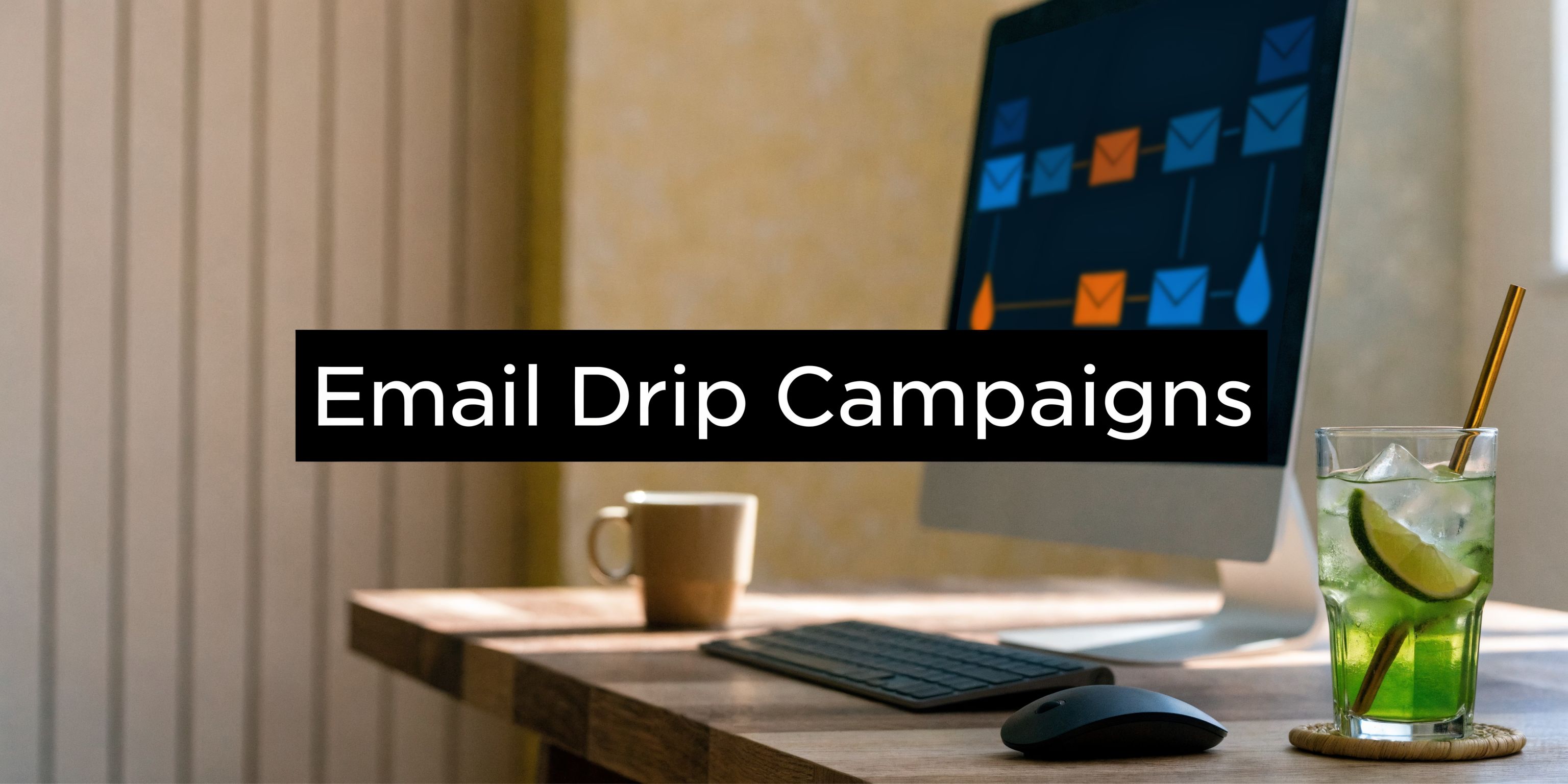
Are your emails stalling after the first send while demo requests sit idle, trials lose momentum, and event leads stop responding? The issue usually sits in the sequence design, not the send volume.
An email drip campaign is a sales system built in email form. Each message needs a job, a trigger, and a clear success metric. If email one does not create enough interest for email two, the sequence is broken. If the sequence keeps firing after a buyer has gone cold or already converted, automation is wasting touches and hurting list health.
I see the same failure pattern across B2B teams. They space messages out on a fixed schedule and call it nurture. Day 1, Day 3, Day 7. Same positioning, same CTA, no change in proof, no response to buyer behavior, no suppression logic. That structure looks organized in a CRM, but it rarely moves pipeline.
Strong drip campaigns adjust as buyer intent becomes clearer. Early emails frame the problem and earn attention. Mid-sequence emails add proof, reduce friction, and answer likely objections. Late emails either make a direct ask or step back before engagement drops enough to hurt deliverability. That balance matters because high reply rates mean little if your domain starts landing in spam.
This article is built as a playbook, not a swipe file. You will see 10 email drip campaign examples tied to specific B2B buying moments, plus the metrics to watch, the deliverability choices that keep the sequence viable, and the trade-offs that show up in execution. For teams refining outreach and nurture programs, these examples on request for meeting emails that get opened and book more calls are also useful reference material. If you want a practical companion on outbound and nurture strategy, this guide on lead gen email marketing adds a helpful outside perspective.
Below, each example breaks down what to send, when to send it, how to measure it, and where the sequence can fail if the setup is wrong.
1. Product Demo Request Sequence
A product demo sequence works best when the buyer already understands the category but hasn’t decided your product is worth a meeting yet. SaaS teams rush this sequence and ask for the demo too early. That kills momentum.
Calendly, HubSpot, and Slack have all used versions of this pattern. The common thread is simple. They don’t lead with feature overload. They lead with friction reduction, credibility, and a clear next step.
Suggested flow
Email 1 should speak to the role, not the whole company. A RevOps leader cares about pipeline visibility. A founder cares about speed and team efficiency. A product marketer cares about launch execution.
Email 2 should show the workflow in plain language. No buzzwords. No full product tour.
Email 3 is where a short proof point belongs. Keep it to one or two sentences. Buyers skim. Long case study storytelling underperforms here.
Email 4 should answer the quiet objection. “We need more time.” “We’re evaluating options.” “We’re not ready to switch.” Give them a calculator, framework, or comparison lens.
Email 5 is the direct ask. Keep it clean and easy to reply to.
If your team needs help with cleaner booking language, these examples on request for meeting emails that get opened and book more calls are worth borrowing from.
What works and what doesn’t
What works:
-
Role-based opening: Speak to the buyer’s operating problem.
-
Tight proof: Use brief credibility snippets, not a wall of logos.
-
Segmented detail level: Enterprise prospects need more context than smaller teams.
What doesn’t:
-
Feature dumping: Buyers don’t need every capability before a demo.
-
Generic urgency: “Slots are filling fast” sounds fake in B2B.
-
One-size-fits-all copy: Different company sizes buy differently.
Practical rule: If email 2 looks like a product brochure, rewrite it.
2. Lead Nurture and Qualification Sequence
How do you keep early interest warm without handing sales a list of people who only wanted a download?
This sequence solves two jobs at once. It builds conviction for leads who are still defining the problem, and it surfaces buying signals before an AE spends time on the wrong account. In longer B2B cycles, that trade-off matters. Push qualification too early and reply rates drop. Wait too long and sales gets activity without intent.
A seven-email sequence is usually enough room to do this well.
How the sequence should work
Email 1 delivers the asset they asked for and gives one practical next step. A worksheet, benchmark, teardown, or short guide works well. Keep the email light. The goal is to get the first click and set the tone that future emails will be useful, not promotional.
Emails 2 through 4 should educate around the buying problem, not your product. Cover the mistake buyers make, the cost of waiting, or the criteria teams should use to evaluate options. This is also where segmentation starts paying off. A manager-level lead may need tactical advice. A VP may care more about risk, budget, and rollout friction.
By emails 5 through 7, start qualifying with intent-based prompts instead of blunt form fields. Ask questions that help sales decide whether to engage now or keep nurturing:
-
Timeline: Is this active in the current quarter or still in research?
-
Decision process: Will one person choose, or does procurement, leadership, or IT need to weigh in?
-
Problem urgency: Are they fixing a known bottleneck or gathering ideas for later?
If your team needs a cleaner framework for that handoff, this lead qualification checklist for 2026 gives a practical model.
What to measure, and what teams often miss
Open rate is a weak success metric here. It can tell you the subject line did its job, but it will not tell you whether the lead is progressing.
Track three signals instead. First, clicks on educational assets. Second, replies to qualification prompts. Third, conversions into a clear next step such as a meeting, trial, or sales-accepted lead. Those metrics show whether the sequence is doing pipeline work.
Deliverability matters more than many nurture programs assume. These campaigns often run at scale, which means list hygiene, engagement filtering, and send pacing directly affect performance. If a lead has ignored several emails, reduce frequency or shift them to a lower-pressure track instead of continuing the same cadence. That protects sender reputation and usually improves downstream response quality.
Pros, cons, and implementation notes
What works:
-
Asset-first opening: Give the promised value immediately.
-
Problem-led education: Teach buyers how to evaluate, not just why to buy.
-
Soft qualification: Use questions that reveal intent without sounding like SDR interrogation.
-
Behavior-based branching: Send stronger CTAs only after a click, reply, or repeat visit.
What doesn’t:
-
Long generic nurture tracks: Volume does not create intent.
-
Product-heavy middle emails: Mid-funnel leads still need buying clarity.
-
Scoring based on opens alone: Sales will inherit noise.
-
No path adjustment: Unengaged leads should not keep receiving the same message sequence.
Teams that also run outbound should keep message consistency between nurture and prospecting. If the nurture track frames the problem one way and outbound uses a different angle, conversion rates usually soften. These cold email templates for sales that book meetings in 2026 are useful as a reference point for keeping that transition tight.
A good nurture sequence does not just educate. It tells you who is ready, who needs more time, and who should stay out of the sales queue.
3. Cold Email to Warm Meeting Sequence
What turns a cold prospect into a meeting without burning your domain on the way?
This sequence does it by narrowing the audience, tying every email to a clear trigger, and asking for a reply before asking for a click. Cold outreach gives you very little room for sloppy targeting or generic copy. If the list is weak, the personalization is fake, or the cadence is too aggressive, inbox placement drops and reply quality usually follows.

Lemlist, SalesLoft, and Apollo-style outbound teams all run a version of this playbook. The strong ones keep the sequence short, use specific account signals, and optimize for conversation starts. A meeting is the outcome. The first job is getting a credible reply.
The four-email rhythm
Email 1 should show why this account made the list. Use one concrete signal such as a hiring push, new market entry, pricing change, product launch, or leadership move. Keep the message brief enough to scan on a phone, but specific enough that the reader knows it was written for their situation.
Email 2 should connect that signal to a business problem the buyer likely owns. Good cold email does not dump a feature list. It frames a cost, bottleneck, or missed opportunity in plain language and gives the prospect an easy way to confirm or reject the premise.
Email 3 should handle the objection that blocks replies. That might be timing, internal bandwidth, budget, or confidence in the status quo. Name the friction directly and reduce it. Offer a short benchmark, a lightweight audit, or a narrow conversation instead of pushing straight to a full demo.
Email 4 should close the loop. Keep the pressure low. Give them an easy way to say “not now,” point you to the right owner, or opt out cleanly. That protects list health and helps reps stop wasting touches on dead accounts.
If you want tested formats, this library of cold email templates for sales that book meetings in 2026 is useful.
Deliverability, metrics, and trade-offs
Cold-to-warm sequences fail in operations before they fail in copy. Teams usually struggle with bad source data, weak suppression rules, shared-domain sending, and rep behavior that ignores engagement signals. The fix is simple in theory and disciplined in practice: segment tightly, suppress anyone already in pipeline or nurture, throttle new domains, and stop sending once intent is clearly absent.
Reply rate matters more than click rate here. Positive reply rate matters more than total replies. Meeting rate matters more than open rate. Teams that want a cleaner way to connect outbound activity to pipeline quality should benchmark against their own sales conversion rates across funnel stages, not just top-of-funnel activity.
There is a clear trade-off. More personalization usually improves relevance, but it also slows production and raises QA risk if reps pull weak signals into the message. More automation improves scale, but it can flood the sequence with prospects who were never a fit. The practical middle ground is to personalize the trigger, the problem, and the CTA, then standardize everything else.
Another common miss is over-mailing unresponsive segments. After a few ignored touches, shift those contacts into a slower recycle track or remove them. Sending repeated follow-ups to silent prospects does not create intent. It lowers response quality and puts more strain on sender reputation.
One more operational point matters here. Cold sequences should share message logic with later-stage sales follow-up. If outbound frames the problem one way and discovery calls frame it another, meeting conversion softens because the buyer feels the handoff immediately.
4. Free Trial to Paid Conversion Sequence
Why do so many free trials produce plenty of signups and so few paid accounts? The usual problem is sequence design. Teams send upgrade prompts before the user reaches a meaningful product moment, then mistake low conversion for weak trial traffic.
Slack, Notion, Stripe, and Canva all run some version of this motion. The better programs do three things in order. They drive activation, surface the right use case, and ask for the upgrade only after the account has shown intent or value.

What the sequence should do
Email 1 should get the user to complete the setup steps that correlate with retention. Keep this tight. One primary action, two or three supporting steps, and a clear statement of what they will gain once setup is done.
Email 2 should focus on the fastest path to value for that segment. A solo user may need a personal productivity use case. A team lead may need a collaboration workflow. Sending the same message to both groups lowers activation because the promised outcome feels generic.
Email 3 should widen adoption. Show a second use case, preferably one tied to team workflow, reporting, or another outcome that makes the paid plan easier to justify internally.
Email 4 should be behavior-based if possible. Reference what the user has already done in the product, what they have not tried yet, and what usually happens next for successful accounts. Product data then improves conversion. The message feels relevant because it is relevant.
Email 5 should handle commercial friction directly. Show pricing, plan differences, and one plain-English reason to choose each tier. Buyers do not need theatrical urgency here. They need clarity.
Email 6 should close the trial with a specific next step. Extend for high-fit accounts that are active but blocked. End the sequence for inactive users and move them to a slower reactivation track.
Metrics, deliverability, and trade-offs
The main success metric is paid conversion rate by activation cohort, not total trial-to-paid rate in isolation. A healthy sequence makes that comparison easy. Users who completed the core setup action should convert at a meaningfully higher rate than users who never activated. Teams that want a cleaner way to judge that gap should compare trial performance against their broader sales conversion rates across funnel stages, not just email clicks.
Deliverability matters here more than many teams assume. Trial emails often come from product systems, which means marketers ignore sender reputation until onboarding mail starts landing in spam. Keep these sends on a consistent subdomain, suppress converted users immediately, and avoid image-heavy layouts that hide the primary CTA. Resend only to non-openers when the message is time-sensitive and the list is engaged. Otherwise, repeated nudges add noise without adding intent.
There is a significant trade-off in timing. Ask for the upgrade too early and the sequence feels premature. Wait too long and the user reaches the end of the trial without a reason to pay. Usage-based branching usually beats a fixed calendar because it matches the ask to product progress.
5. Webinar Registration to Attendance Sequence
Why do so many webinars collect plenty of registrations and still miss on live attendance?
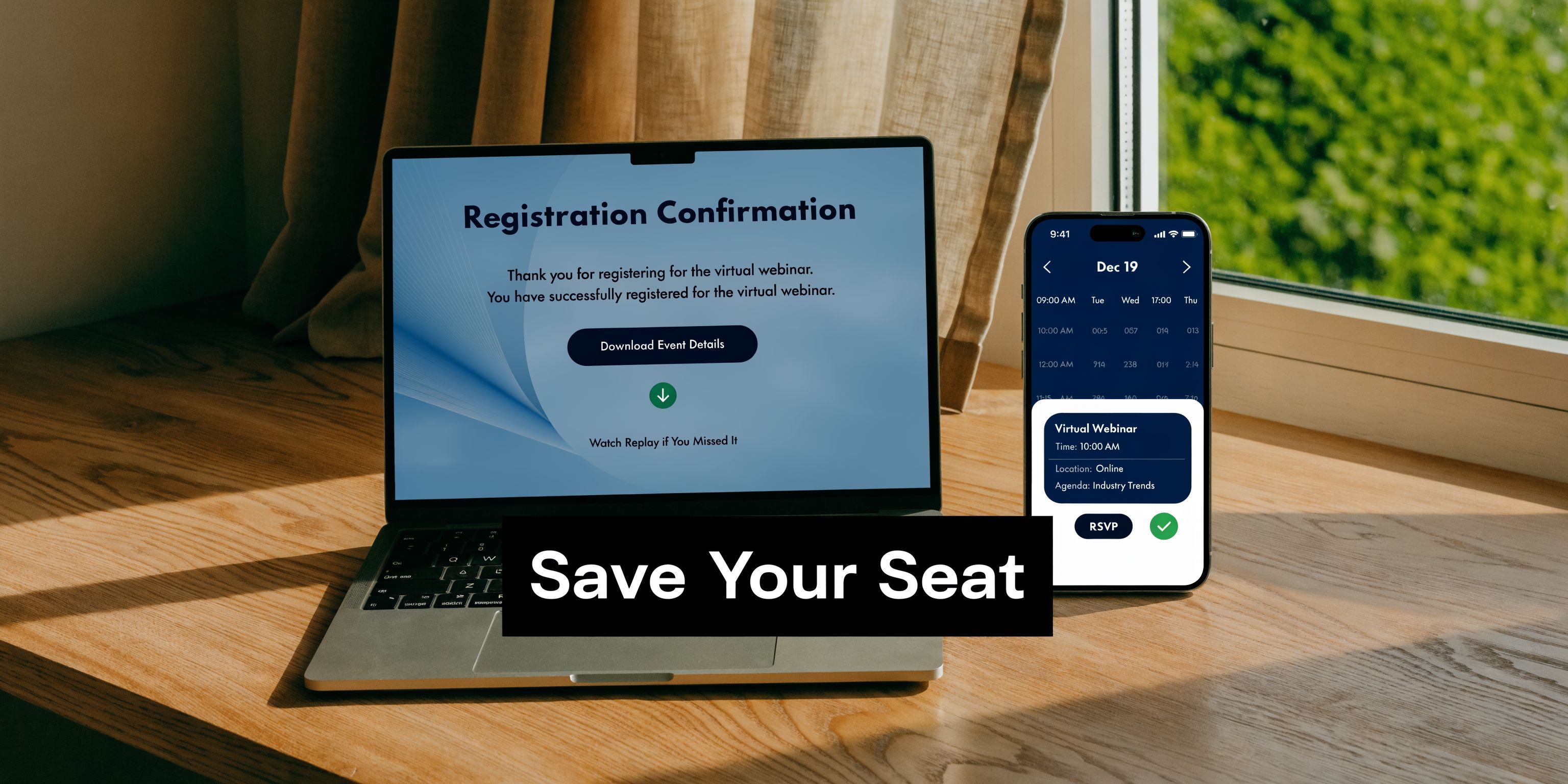
The gap usually comes down to sequence design. Registration confirms interest. Attendance requires reminder timing, clear value, and low-friction access. Teams like HubSpot, Gong, Drift, and ConvertKit tend to treat this as an attendance campaign, not a one-off confirmation email, and that distinction matters.
The sequence that gets people to show up
Start with an immediate confirmation email. It should restate the topic in plain language, tell the registrant what they will get from attending, and include one clear calendar add. If the first message reads like an internal event page copied into email, expect drop-off.
The second email should sell the speaker through relevance, not status. A short bio works if it connects directly to the problem the audience wants solved. One line on why this person is worth 45 minutes gets better results than a long list of roles and awards.
The third email should preview specific takeaways. Good webinar emails name the practical outcomes: how to shorten sales cycles, how to fix attribution gaps, how to improve handoff between SDRs and AEs. Vague phrases like “expert insights” lower intent because they force the reader to guess.
The fourth email can raise attendance with a useful bonus tied to the session. Templates, worksheets, checklists, or a post-event Q&A slot usually work better than a generic giveaway because the incentive filters for serious attendees.
Send the fifth email on the day of the event. Keep it short. Lead with the join link, repeat the start time with time zone clarity, and restate the main outcome in one sentence. For high-value webinars, a final reminder 15 to 30 minutes before start time often helps, especially for busy B2B audiences joining between meetings.
Metrics, deliverability, and trade-offs
The primary success metric is attendance rate from registrants. The better operational metric is attendance rate by source, segment, and registration window. Someone who registered three weeks early behaves differently from someone who signed up the same morning, and the reminder cadence should reflect that.
Deliverability affects attendance more than many webinar owners expect. Reminder emails are time-sensitive, so inbox placement matters more than open rate alone. Keep subject lines clear, avoid stuffing the email with banners and speaker headshots, and make the join CTA easy to tap on a phone. A clean text-first reminder often outperforms a designed email because the path to attendance is obvious.
There is a trade-off in how much information to send before the event. Too little context and the webinar feels forgettable. Too much agenda detail and the email becomes work to read. The practical middle ground is simple: promise one concrete outcome per email, remove friction in every reminder, and judge the sequence by live attendance quality, not registration volume alone.
6. Competitor Win-Back and Re-Engagement Sequence
Why do competitor win-back emails usually fail? Because they read like a discount chase instead of a serious business case to reconsider.
This sequence works when the message answers one question clearly. What is meaningfully better for the buyer now than when they chose another option or stopped engaging? That usually means product maturity, faster onboarding, stronger support, lower admin burden, cleaner reporting, or a pricing model that fits their current stage better.
Netflix, Adobe, Basecamp, and Evernote have all used variations of this play. The effective version focuses on change, timing, and fit.
Structure the sequence around changed conditions
Email 1 should reopen the conversation without guilt or fake warmth. A direct line such as “A lot has changed since you last evaluated us” sets the frame. Then name two or three specific updates that matter to their role.
Email 2 should challenge the original reason they stayed with a competitor. If the earlier decision came down to integrations, implementation effort, or user adoption risk, address that point head-on. Generic “better than ever” copy gets ignored.
Email 3 should add proof. Use a customer example with a similar team structure, buying committee, or compliance requirement. If you have a stronger event or education asset than a standard case study, send that instead. A practical option is a short recap paired with these conference follow-up email templates for 2026, especially if the contact last engaged around an event, roadmap briefing, or field conversation.
Email 4 can include a commercial prompt. Keep it controlled. A migration consult, limited onboarding support, or a side-by-side review usually outperforms a blunt discount because it reduces switching friction instead of cutting price first.
Trigger timing, list hygiene, and what to measure
For timing, use inactivity as a signal, not a rule. Sixty days is a reasonable starting point for many B2B motions, but sales cycle length matters more than a fixed number. In enterprise software, a contact may go quiet during procurement or internal reprioritization. In mid-market SaaS, the same silence often means the window is closing.
The primary success metric is reactivated pipeline, not clicks. Track reply rate, meeting rate, and win-back opportunities created. Also watch negative signals. Unsubscribes, no-opens across multiple sends, and spam complaints tell you when the segment is exhausted.
Deliverability matters more here than teams expect. Win-back audiences often include older records, changed roles, and contacts who have ignored you for months. Suppress hard non-engagers early, cap send volume to stale segments, and keep the email mostly text. If you need a reference point for post-engagement cadence once someone reopens the conversation, this 6-part webinar follow-up email sequence template is useful because it shows how to tighten intent after renewed interest.
One trade-off is unavoidable. Pushing too hard for the sale can recover a few short-term opportunities while hurting sender reputation and brand trust across the rest of the segment. I would rather stop after email 2 for a dead contact than keep escalating the offer and train the mailbox providers to treat the whole program as unwanted.
7. Event Follow-Up Sequence
What happens to event leads after the badge scan. In a lot of teams, they sit in a spreadsheet for days, then get one generic follow-up blast. By that point, the conversation is gone, the context is gone, and the reply odds drop with it.
A good event sequence is built on note quality, speed, and segmentation. Speed gets the email seen. Relevance gets the reply.
The first email should go out within 24 hours of the event ending, or within 24 hours of the conversation if your reps are sending from the floor. It needs one concrete detail from the interaction. The problem they mentioned, the product area they asked about, the team size, the session they attended, or the initiative they are funding this quarter. If that detail is missing, the email reads like list cleanup.
A practical four-email structure works well here:
-
Email 1: Personal recap and a clear reason for following up
-
Email 2: One useful asset tied to the stated problem
-
Email 3: A direct next step, such as a 20-minute working session or personalized walkthrough
-
Email 4: A different angle, such as a use case, stakeholder concern, or implementation question
The trade-off is volume versus quality. If your team scanned 800 badges but only captured notes for 120 conversations, those 120 should get the personalized sequence first. The rest belong in lighter segmentation by booth visit, session attendance, or persona. Treating every event contact like a hand-raiser usually hurts both response rate and deliverability.
For teams tightening message quality, these conference follow-up email templates for 2026 are useful because they show how to turn event context into specific follow-up angles. For webinar-specific post-event follow-up, this 6-part webinar follow-up email sequence template gives a good contrast in cadence and intent.
Measure this sequence like a pipeline program, not a content send. Start with reply rate, meeting rate, and opportunities created from event-sourced contacts. Then break results down by source. Booth conversations, sponsored dinners, roundtables, and session attendees rarely perform the same way, so one blended number hides where the event succeeded.
Deliverability deserves more attention than it usually gets. Event lists are often messy. Titles are outdated, company names are inconsistent, and consent status can be unclear depending on how the lead was captured. Clean records before enrollment, suppress weak or incomplete contacts, and avoid dropping the full list into a high-frequency sequence on day one.
A final point. Event follow-up should outperform generic outbound because there was already a genuine interaction. If it does not, the problem is usually one of three things. Thin notes, weak segmentation, or an email that sounds like it could have gone to anyone.
8. LinkedIn Outreach to Email Bridge Sequence
How do you warm up an outbound email without faking familiarity? Use LinkedIn to create recognition, then let email handle the sales work.
This sequence works because each channel has a different job. LinkedIn gets the prospect to recognize your name and company. Email carries the problem, proof, and CTA with enough room to qualify interest. Teams that rely too heavily on LinkedIn usually end up with weak conversations and low reply quality. Teams that skip LinkedIn entirely often lose the small advantage that makes the first email feel less random.
Waalaxy, Dripify, Apollo, and outbound agencies use some version of this approach. The effective versions stay light on LinkedIn and more specific in email.
How to make the handoff work
The connection request or first LinkedIn message should stay short and easy to ignore. No pitch deck. No long intro. A simple relevance cue is enough.
The email that follows needs continuity. Reference one clear signal you observed, then move quickly into the business issue. Good handoff signals include:
-
a recent role change
-
a hiring push in a target function
-
a post that shows current priorities
-
a product launch, pricing change, or market expansion
Then build the sequence around progression, not repetition:
-
LinkedIn touch: Connection request or short note with a relevant reason
-
Email 1: Brief context, clear problem framing, and why you reached out now
-
Email 2: A sharper observation, use case, or point of view
-
Email 3: Credibility proof tied to a similar company or workflow
-
Email 4: Directly answer a likely objection or offer a simpler next step
-
Email 5 or 6: Close the loop with a low-pressure CTA or polite breakup
A practical rule: if the LinkedIn message and first email say the same thing, one of them should not exist.
Where this sequence breaks
The failure point is usually bad personalization. Reps pull a weak LinkedIn detail, force it into the opener, and the email reads like it was assembled from scraped fields. That hurts trust fast, especially with senior buyers who get a lot of outbound.
Use tighter data rules than you would for a standard cold sequence. If the role, company change, or post reference is older than your team can defend, cut it. If a contact ignores repeated touches, stop earlier instead of stretching the sequence just because it spans two channels. As noted earlier, suppression logic matters more than volume.
Deliverability also changes here. Prospects who ignore a connection request are not automatically good candidates for five more emails. Keep domains warmed, stagger sends, and monitor whether this audience segment is driving opens from genuine inboxes or just inflating send volume. Multi-channel outreach should improve relevance, not give your team permission to keep sending.
Keep the emails plain text or close to it. Personal-looking messages usually fit the context better than branded layouts in this sequence.
What to measure
Judge this sequence on pipeline quality, not just touch activity. Start with:
-
connection acceptance rate
-
first email reply rate
-
positive reply rate
-
meeting rate by persona
-
opportunities created from LinkedIn-touched accounts
Then compare it against email-only outbound. If acceptance rates look healthy but meetings stay flat, the LinkedIn step is creating familiarity without improving message-market fit. If replies rise but unsubscribe or complaint signals also rise, the handoff is probably too aggressive or too generic.
The upside here is clear. So is the trade-off. This sequence takes more setup, cleaner data, and tighter coordination between channels than standard outbound. When those pieces are in place, it can turn a cold list into a warmer starting point without pretending the relationship is further along than it is.
9. Objection Handling and Deal Rescue Sequence
What kills a late-stage deal. The objection itself, or the weak follow-up after it surfaces?
Rescue sequences work best when the rep has a clear signal to respond to. A prospect says budget. Procurement goes quiet. A champion likes the product but worries about rollout risk. Those are very different situations, and they should not get the same email series.
The mistake is usually diagnosis, not effort. Teams send more case studies when the issue is security review. They push for a close when the buyer needs a smaller first step. They answer the stated objection and miss the political one behind it.
Match the sequence to the blocker
Build this sequence around the objection category, not around a generic “still interested?” follow-up.
If budget is the issue, send a business case, a phased rollout option, or a lower-risk starting package.
If timing is the issue, help the buyer separate what needs approval now from what can wait until next quarter.
If the deal is drifting toward a competitor, focus on fit, implementation reality, support model, and trade-offs. Generic feature comparisons rarely rescue serious evaluations.
A practical five-email rescue flow:
-
Email 1: Recap the concern in plain language and reduce pressure
-
Email 2: Answer the objection directly with one clear argument
-
Email 3: Offer an alternative path, such as a pilot, narrower scope, or delayed start
-
Email 4: Send proof that matches the objection, like a short case study, implementation note, or ROI snapshot
-
Email 5: Ask what still needs to be true for the deal to move forward
Keep each email narrow. One objection per message usually performs better than a long note that tries to solve budget, timing, security, and change management at once.
What to measure
Closed-won rate matters, but it is a lagging indicator. Watch the earlier signals that show whether the sequence is reopening the conversation or creating more resistance.
Start with:
-
reply rate by objection type
-
meeting rebook rate
-
stage re-entry rate for stalled opportunities
-
time-to-close after rescue enrollment
-
unsubscribe and complaint trends by sequence
Those metrics help you spot the trade-off fast. A sequence can generate replies and still hurt deal quality if it pressures buyers into polite responses instead of progress. Rising unsubscribes or negative replies usually mean the message missed the true objection, or the sequence kept pushing after the buyer had already checked out.
This is also a deliverability issue. Rescue emails often go to small late-stage segments, which makes them easy to ignore operationally. That is a mistake. These contacts are valuable, and they are often receiving highly personalized sends from both sales reps and automated workflows. Suppress anyone who has already closed, paused, or explicitly said no. Keep the copy plain, specific, and tied to the conversation so the emails read like deal movement, not recycled nurture.
The upside is clear. A good rescue sequence recovers deals that would have gone dark. The cost is discipline. Sales and marketing have to tag objections cleanly, feed that data into automation, and accept that some deals should be disqualified instead of “saved.”
10. Partnership and Referral Request Sequence
Who is worth asking for a referral?
The answer is rarely “all happy customers.” Referral sequences work best with accounts that have seen a clear result, adopted the product consistently, and have enough confidence to attach their name to your company. That targeting decision drives everything else. Send the same ask to passive users, unresolved support cases, and strong advocates, and response quality drops fast.
As noted earlier, referral and loyalty emails often outperform broader campaign types on engagement because the relationship already exists. The catch is simple. Familiarity does not equal advocacy. A customer can like the product and still hesitate to make an nomination if the ask feels vague, risky, or time-consuming.
Why this sequence deserves more attention
This sequence creates two kinds of pipeline. Direct referrals from customers, and channel or partner conversations that can produce repeat introductions over time. Those are different motions, so the copy and incentive structure should match the audience.
For customer referrals, the strongest trigger is a recent proof point. That might be a successful launch, a renewal, a usage milestone, or positive feedback in a QBR. For partnership outreach, credibility matters more than enthusiasm. Lead with audience fit, shared value, and a clear handoff model.
A simple referral sequence
Email 1 should anchor the ask in a concrete outcome. Name the result, then ask whether they know a similar company facing the same problem.
Email 2 should narrow the referral profile. Specific beats broad every time. “VC-backed SaaS teams hiring their first sales leader” gives people a usable memory prompt. “Anyone who needs growth” does not.
Email 3 should explain the incentive or partnership structure in one pass. If the reward needs a paragraph of fine print, simplify it before you send.
Email 4 should remove operational work. Give them a short blurb they can forward, a direct intro reply option, or a simple form. The easier handoff usually wins over the higher-value reward.
Email 5 should follow up with restraint. Restate who you want to meet, remind them why those companies tend to get value, and give them an easy way to decline so the sequence does not linger on disinterested contacts.
What to measure:
-
referral introduction rate
-
forward or handoff rate by customer segment
-
partner reply rate
-
meeting-to-opportunity rate from referred leads
-
unsubscribe and complaint rate on referral asks
Those metrics show the trade-off clearly. A sequence can generate clicks and still fail if the introductions are unqualified or the ask annoys strong customers. I look closely at meeting-to-opportunity rate here. If referrals book meetings but never progress, the referral profile is too loose or the incentive is attracting the wrong behavior.
Deliverability also matters more than teams expect. These campaigns often go to small, high-value segments, so mistakes stand out. Exclude unresolved support tickets, recent churn risks, and anyone already in a referral workflow. Keep the copy plain and personal. Referral emails should read like a specific request tied to a concrete result, not a promotional blast with a referral button pasted in.
What works:
-
Clear advocate criteria: ask customers after a proven win, not just after time on platform
-
Tight referral profile: give one or two concrete company or buyer signals
-
Low-friction handoff: a reply-based intro or forwardable note usually beats a multi-step form
-
Simple incentives: the reward should be easy to understand and secondary to the trust behind the referral
What doesn’t:
-
Sending to the full customer list: this lowers response quality and creates avoidable unsubscribes
-
Overpaying for weak-fit referrals: bigger rewards can bring more names, but often worse names
-
Complicated partner mechanics: if co-selling terms need heavy explanation, the sequence is early
-
Repeated asks without fresh context: ask again only after a new milestone, result, or product expansion
The upside is strong. Referred deals often start with more trust and less education. The trade-off is control. Volume stays lower than standard lead gen, so this sequence only works when targeting, timing, and handoff design are handled carefully.
10 Email Drip Campaigns: Side-by-Side Comparison
| Campaign | 🔄 Complexity | ⚡ Resources | 📊 Expected outcomes | 💡 Ideal use cases | ⭐ Key advantages |
|---|---|---|---|---|---|
| Product Demo Request Sequence (5-Email) | Medium: precise timing & segmentation | Low - Moderate: copy, basic automation, calendar links | Moderate demo bookings (measurable conversion rates) | SaaS with 2 - 4 week sales cycles, demo-led sellers | Clear single CTA; social proof-driven conversions |
| Lead Nurture & Qualification Sequence (7-Email) | High: ongoing content + scoring logic | High: content assets, lead scoring, marketing ops | Higher-quality, scored leads; engaged leads convert at a strong rate | Enterprise B2B, 3 - 6 month decision cycles | Builds authority; qualifies prospects via engagement |
| Cold Email to Warm Meeting Sequence (4-Email Breakup) | High: deep 1:1 personalization per prospect | Moderate - High: research, outreach tools, A/B testing | Fast meeting bookings; a specific percentage of replies | Outbound B2B lead gen, startups, performance pricing | Rapid appointment setting; easily testable templates |
| Free Trial to Paid Conversion Sequence (6-Email) | Medium: needs product usage integration & timing | High: product analytics, automated triggers, content | High conversion potential for engaged users (a significant percentage) | SaaS with free trials and usage data | Reduces churn; highly personalized ROI messaging |
| Webinar Registration to Attendance Sequence (5-Email) | Medium: coordination of promo + reminders | Moderate: production, speaker prep, promotion | Strong attendance (a good percentage of registrants attend) and lead capture | Educational B2B marketing, thought leadership | Drives high engagement and post-event nurture funnel |
| Competitor Win-Back / Re-Engagement Sequence (4-Email) | Medium: competitive positioning + authenticity needed | Moderate: competitor research, targeted offers | Good reactivation; returning customers often higher LTV | Subscription SaaS and churn-prone platforms | Lower CAC to reacquire; uses brand familiarity |
| Event Follow-Up Sequence (4-Email) | Medium: fast personalized follow-up required | High: real-time data capture, sales coordination | Very high conversion potential from warm contacts | Trade shows, conferences, virtual events | Capitalizes on face-to-face momentum; high ROI |
| LinkedIn Outreach to Email Bridge Sequence (6-Email) | High: multi-channel orchestration & wait times | Moderate - High: LinkedIn tools, email automation, research | Higher open rates (a notable percentage) and warmer replies | Enterprise B2B outreach to decision makers | Warms cold prospects; reduces spam perception |
| Objection Handling & Deal Rescue Sequence (5-Email) | Medium: requires correct objection identification | Moderate: customized assets, testimonials, sales triggers | Effective at saving warm stalled deals; improves close rates | Sales teams managing warm pipeline & long cycles | Directly addresses objections; preserves existing pipeline |
| Partnership/Referral Request Sequence (5-Email) | Medium: targeting satisfied customers & program ops | Moderate: referral tracking, incentive management | Very high conversion for referred leads; lower CAC | Customer advocacy programs, partner growth | Highest ROI channel; sustainable referral pipeline |
From Examples to Execution Your Next Steps
What should you do after reviewing ten email drip campaign examples. Build every sequence at once, or fix the one point in the funnel that is costing you the most pipeline?
Start with the bottleneck. High-performing drip programs are built around a specific buying moment, a clear conversion goal, and a small set of measurable actions. The sequence itself is only part of the system. Audience quality, deliverability, timing, stop rules, CRM handoff, and offer strength usually decide whether the campaign produces pipeline or just activity.
A simple diagnostic works well here. If demo requests are not turning into meetings, revisit speed-to-lead, form routing, and the demo request sequence. If leads download content but stall before sales conversations, tighten qualification criteria and rebuild the nurture flow around intent signals. If free trials activate but paid conversion stays flat, segment by product usage and trigger emails from adoption milestones instead of calendar-based reminders. If outbound gets opens but few replies, review list quality, message-market fit, domain health, and follow-up logic before changing copy.
A few execution rules apply across all ten examples.
Keep sequences as short as the sales cycle allows. Shorter drips are easier to maintain, easier to test, and less likely to create fatigue. Add steps only when each email has a distinct job, such as qualification, objection handling, proof, or urgency.
Write for mobile. Use one idea per email. Put the CTA early. Keep paragraphs tight, especially in reminder, follow-up, and meeting-booking sequences.
Measure the sequence like an operator, not a copy critic. Opens can help spot subject line issues, but replies, booked meetings, trial-to-paid conversion, bounce rate, unsubscribe rate, spam complaints, and revenue influence tell you whether the workflow is doing useful work. High bounce rates usually point to list or data quality problems. Rising unsubscribes usually signal weak targeting, weak timing, or message fatigue. Low conversion with healthy engagement often means the offer or handoff needs work.
Deliverability also needs a place in the build plan. Set up separate sending domains when appropriate, warm new infrastructure before volume ramps, authenticate properly, and suppress unengaged contacts before they damage placement. Good sequences fail every week because teams treat inbox placement as a technical detail instead of a revenue dependency.
If you are building from scratch, choose one workflow tied to the most expensive leak in the funnel. Launch it. Watch replies, meetings, progression rates, and disqualification reasons for two to four weeks. Then iterate based on issues encountered. Teams that automate all ten sequences at once usually create too much logic, too many edge cases, and not enough learning.
For complex cold outreach, outsourcing can be the right call, but only under the right conditions. It makes sense when the internal team does not want to manage infrastructure, targeting, copy, testing, and deliverability in-house, and when success is measured in qualified meetings instead of surface-level engagement.
If you want a partner that handles cold email strategy, technical setup, list building, personalization, and ongoing optimization without upfront fees, Fypion Marketing is built for that model. They focus on qualified B2B meetings, align their incentives with your pipeline outcomes, and are a strong fit for SaaS and tech companies that already have product-market fit and want predictable outbound growth.