
Lead Generation for Tech Companies: Scaling Playbook
You’re probably in one of two situations right now.
Either your tech company has proven there’s demand, but pipeline still feels fragile. Or you’ve got decent inbound, yet revenue targets now depend on outbound working without turning into a money pit.
That’s where lead generation efforts often stall. They hire SDRs too early, burn budget on ads that create activity instead of meetings, or sign agency retainers that sound strategic but hide weak execution. The result is familiar. Lots of dashboards. Not enough qualified conversations.
Lead generation for tech companies works when incentives are aligned with outcomes. That’s why performance-based cold email deserves more attention than it gets. It’s still an underserved model in a space dominated by inbound-heavy advice, even though many growth-stage teams want lower-risk outsourcing and existing content rarely goes deep on pay-per-meeting structures that remove upfront cost exposure, as noted by Startup Stash’s discussion of the gap in performance-based lead generation coverage.
Introduction to Performance-Based Lead Generation
A lot of lead gen advice assumes you have room to waste money while you learn. Most tech companies don’t.
If you’re selling SaaS, IT services, infrastructure, dev tools, or a B2B platform with a defined buyer, every failed outreach experiment has a real cost. Not just spend. Team attention, sales morale, domain reputation, and pipeline timing all take a hit.
Why the pay-per-meeting model changes the risk equation
The traditional agency model is simple for the agency and risky for you. You pay setup fees, monthly retainers, tooling costs, and often extra for list building or copy revisions. Then you wait to find out whether any of it turns into meetings your sales team wants.
A performance-based, pay-per-meeting model flips that.
You define what counts as a qualified meeting before launch. That usually means account type, job title, geography, problem fit, and buying relevance. Outreach gets built around those criteria, and payment is tied to booked conversations that match them.
That structure does two useful things:
-
It forces targeting discipline because vague ICPs create expensive noise
-
It keeps execution honest because booked volume means nothing if meetings aren’t qualified
Practical rule: If an outbound partner can’t define what a qualified meeting looks like before the first campaign goes live, the engagement is already off track.
This model doesn’t replace broader pipeline work. It sits inside it. Teams still need positioning, CRM hygiene, sales process, and content that helps buyers validate a choice. If you want a solid broader view of how outbound fits alongside larger demand generation strategies, that framework is useful because it shows where direct response ends and market education begins.
What serious operators actually look for
The teams that get the most out of performance-led outbound usually share a few traits:
-
Clear product-market fit: They already know who buys and why
-
Sales readiness: Someone can take meetings quickly and run discovery well
-
Operational patience: They understand that testing lists, angles, and inbox health takes rigor
-
A narrow first wedge: They start with one buyer segment instead of five
That’s also why a no-upfront-fee cold email approach is attractive in tech. It aligns effort around meetings, not slide decks. For a closer look at how that commercial model works in practice, this breakdown on performance-led outreach is useful: https://www.fypionmarketing.com/post/a-guide-to-performance-based-lead-generation
What works and what doesn’t
What works is boring in the best way. Tight ICP. Clean infrastructure. Strong copy. Fast follow-up. Weekly optimization.
What doesn’t work is chasing volume before relevance. Or expecting cold email to fix a weak offer, generic messaging, or a sales team that responds two days later.
Lead generation for tech companies isn’t about finding a hack. It’s about building a machine where every part supports the next one.
Defining Your Ideal Customer Profile and Market Research
The fastest way to kill outbound is to target “companies that could use our product.”
That isn’t an ICP. That’s a wish.

Start with evidence, not assumptions
For lead generation for tech companies, the best ICPs come from closed-won patterns, not brainstorming sessions. Pull your last set of successful deals and inspect them for overlap.
Look at:
-
Firmographics: Industry, company size, region, funding stage
-
Technographics: Core tools in use, adjacent platforms, migration signals
-
Team structure: Who owns the problem internally
-
Commercial pattern: Fast closes, strong retention, expansion potential
If you don’t have enough customer volume yet, use sales calls, founder conversations, support tickets, and product usage patterns. You’re looking for repeated pain, not flattering anecdotes.
Build the ICP in layers
A useful ICP has three layers.
Company fit
This is the account-level filter. It answers whether the company should even be in your market.
Examples of useful company-fit fields include:
-
Business model: SaaS, marketplace, agency, managed service provider
-
Maturity: Startup with recent traction, established mid-market team, enterprise division
-
Operational complexity: Multi-team workflows, compliance needs, fragmented tooling
-
Buying environment: Fast-moving owner-led sale versus committee-driven purchase
Problem fit
Many teams approach this step lazily. They target an industry without identifying the actual trigger.
Good outbound usually maps to one of these:
| Trigger type | What it looks like in research |
|---|---|
| Tool friction | The prospect uses a platform your solution replaces or complements |
| Growth pressure | Hiring, expansion, new market push, or increasing sales complexity |
| Operational change | New leadership, process redesign, CRM overhaul, compliance adjustment |
| Revenue gap | Public demand for pipeline growth, low conversion, weak outbound consistency |
If you skip this layer, your emails sound informed but irrelevant.
Buyer fit
Now define who feels the pain and who signs off.
In tech, the user, evaluator, and budget owner often aren’t the same person. That means you need buyer personas linked to the same account, with different message angles for each.
Most weak personalization starts with a list problem, not a copy problem.
Use the right research stack
You don’t need a huge stack. You need a stack that answers practical questions.
A simple working setup often includes:
-
LinkedIn Sales Navigator: Role filters, tenure, company headcount, team growth
-
Crunchbase: Funding events, category signals, leadership changes
-
BuiltWith or similar technographic tools: Website and software stack clues
-
Job boards: Hiring signals that reveal internal priorities
-
Customer interviews and win-loss notes: The part often overlooked
For teams building a more formal profile, this ICP guide is a useful operational reference: https://www.fypionmarketing.com/post/b2b-ideal-customer-profile-your-complete-guide-to-success
Turn research into messaging inputs
Market research only matters if it changes what you send.
Each ICP segment should produce:
-
One core pain statement
-
One measurable operational consequence
-
One reason your category matters now
-
One objection likely to block response
-
One call-to-action appropriate for that seniority level
That gives your copywriter or SDR a real brief instead of a vague target list.
A practical ICP test
Before approving any segment, ask three blunt questions:
-
Would sales be happy if every booked meeting next month looked like this?
-
Can list building reliably identify these accounts and contacts?
-
Can your offer solve a problem this buyer already recognizes?
If the answer to any of those is shaky, the segment isn’t ready.
Prioritizing Outreach Channels and Setting Up Cold Email Infrastructure
Channel selection is where teams either get efficient or get distracted.
The trap is trying to do everything at once. PPC, LinkedIn, webinars, outbound, content, retargeting, partnerships. All of it sounds reasonable. Very little of it works when the team behind it is thin and the offer still needs tighter market focus.
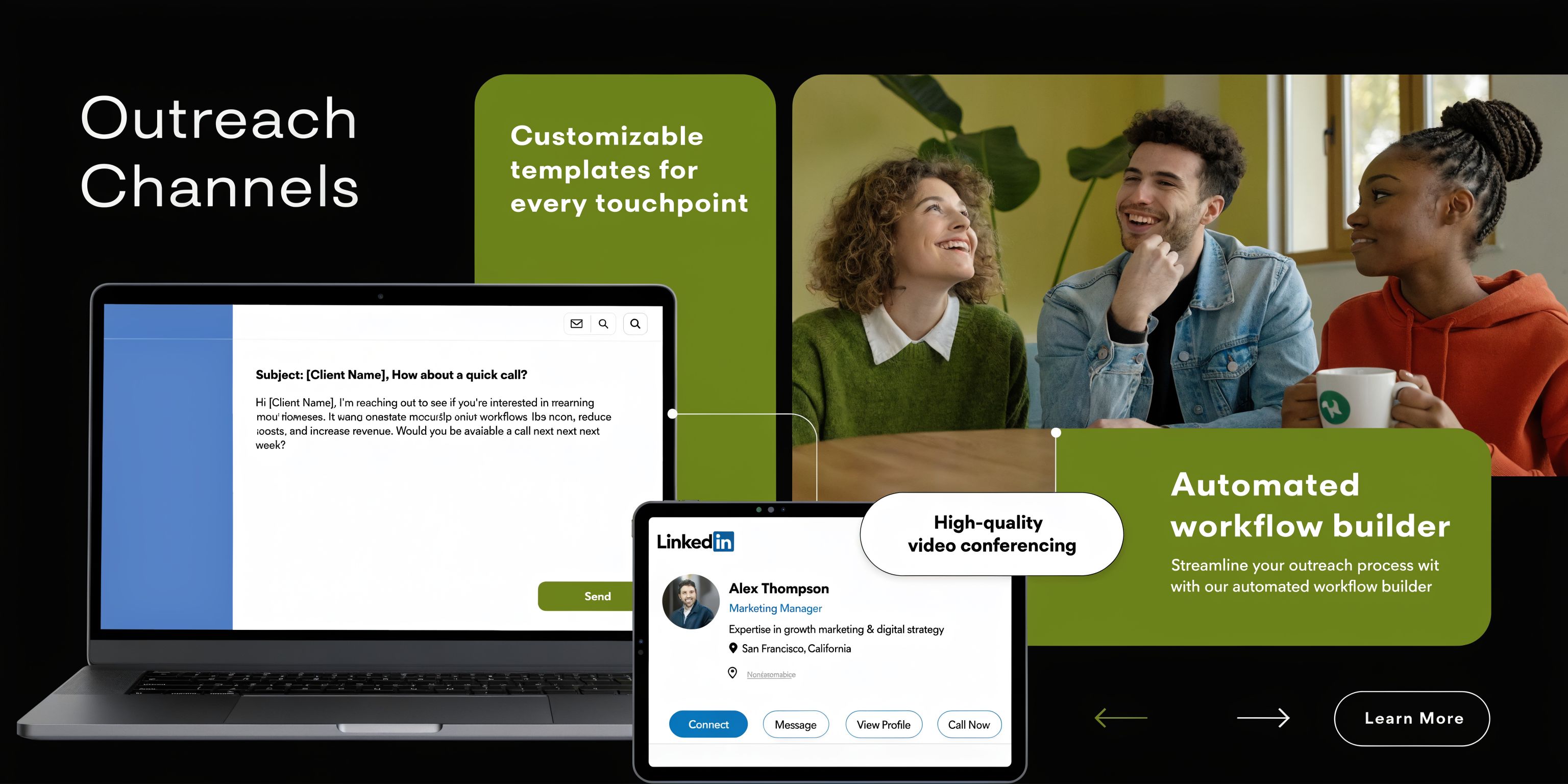
What channels deserve attention first
For B2B tech, channel priority should follow buyer accessibility, targeting precision, and operational control.
A practical comparison looks like this:
| Channel | Strong use case | Common weakness |
|---|---|---|
| Cold email | Direct access to specific buyers with controllable testing | Poor setup destroys deliverability |
| LinkedIn organic and paid | Strong account visibility and role-based targeting | Costs rise fast and volume control is weaker |
| Webinars | Useful for mid-funnel education and sales enablement | Takes more prep and needs promotion to work |
| PPC | Captures existing demand well | Expensive if positioning is broad |
| Content and SEO | Builds authority over time | Slower path to pipeline if used alone |
One data point matters here. LinkedIn drives 80% of all B2B leads and is 277% more effective for lead generation than other platforms, according to The Insight Collective’s B2B demand generation data. That makes LinkedIn indispensable for research, targeting, and trust-building.
But dominance doesn’t automatically make it the best anchor for a performance-based model. Cold email usually does that job better because you control the audience, pacing, inboxes, testing cycles, and qualification process more directly.
Why cold email anchors the system
Cold email is the operational center of performance-driven outbound because it combines four things most tech companies need:
-
Precision: You can go after exact roles and account types
-
Scalability: Volume can increase without rebuilding the entire channel
-
Speed: Launch cycles are shorter than inbound programs
-
Testability: Offer, pain point, CTA, and segmentation can be adjusted fast
That doesn’t mean email works in isolation. LinkedIn often supports account research and light brand familiarity. Content helps objections. Retargeting can reinforce awareness. But cold email is still the cleanest engine for booked-meeting accountability.
Infrastructure is not a side task
Lead generation teams often treat infrastructure like setup admin. That’s a mistake.
Inbox placement doesn’t care how good your copy is. If your domains are rushed, your sending pattern is erratic, or your sender reputation slips, the campaign underperforms before prospects ever see it.
Your setup process should include:
-
Dedicated sending domains that are separate from your primary company domain
-
Mailbox distribution so volume isn’t concentrated in one place
-
Authentication records configured correctly
-
Warming routines that increase activity gradually
-
Reply handling workflows so inboxes behave like real inboxes
-
Ongoing monitoring for bounce trends, spam placement, and domain health
For a technical walkthrough of that buildout, this operational guide is worth bookmarking: https://www.fypionmarketing.com/post/how-to-set-up-cold-email-infrastructure-for-high-deliverability
If your first instinct is to scale send volume before checking deliverability, you’re not scaling. You’re accelerating failure.
The stack that usually makes sense
There’s no perfect stack, but most serious programs include tools across five categories:
-
Mailboxes and sending management: Google Workspace or Microsoft 365, paired with a sending platform
-
Deliverability monitoring: Tools that surface placement issues and domain health problems
-
Lead sourcing: Sales Navigator, Apollo, Crunchbase, or specialist data vendors
-
Enrichment and verification: Email validation plus data cleanup before import
-
CRM and routing: HubSpot, Salesforce, Pipedrive, or another system that pushes fast follow-up
The exact tools matter less than how tightly they’re connected. If sourcing, sending, replies, and CRM handoff are disconnected, quality drops fast.
Here’s a useful visual overview of the mechanics behind an outreach system:
Channel trade-offs most teams underestimate
A few uncomfortable truths:
-
LinkedIn ads can generate interest without creating enough booked meetings
-
Webinars often attract broad audiences unless tightly matched to a pain point
-
PPC rewards companies that already know their high-intent keywords
-
Cold email punishes weak list building faster than any other channel
That’s why the smartest move is usually not “pick one forever.” It’s “pick one anchor channel and make the others support it.”
For a tech company with PMF and a real sales process, cold email usually earns that anchor role.
Crafting Personalized Sequences and Maintaining List Quality
Bad cold email is easy to spot. It’s the message that says your company is “impressed by” a prospect’s business and then pitches a generic outcome by sentence two.
Good cold email doesn’t sound clever. It sounds specific.
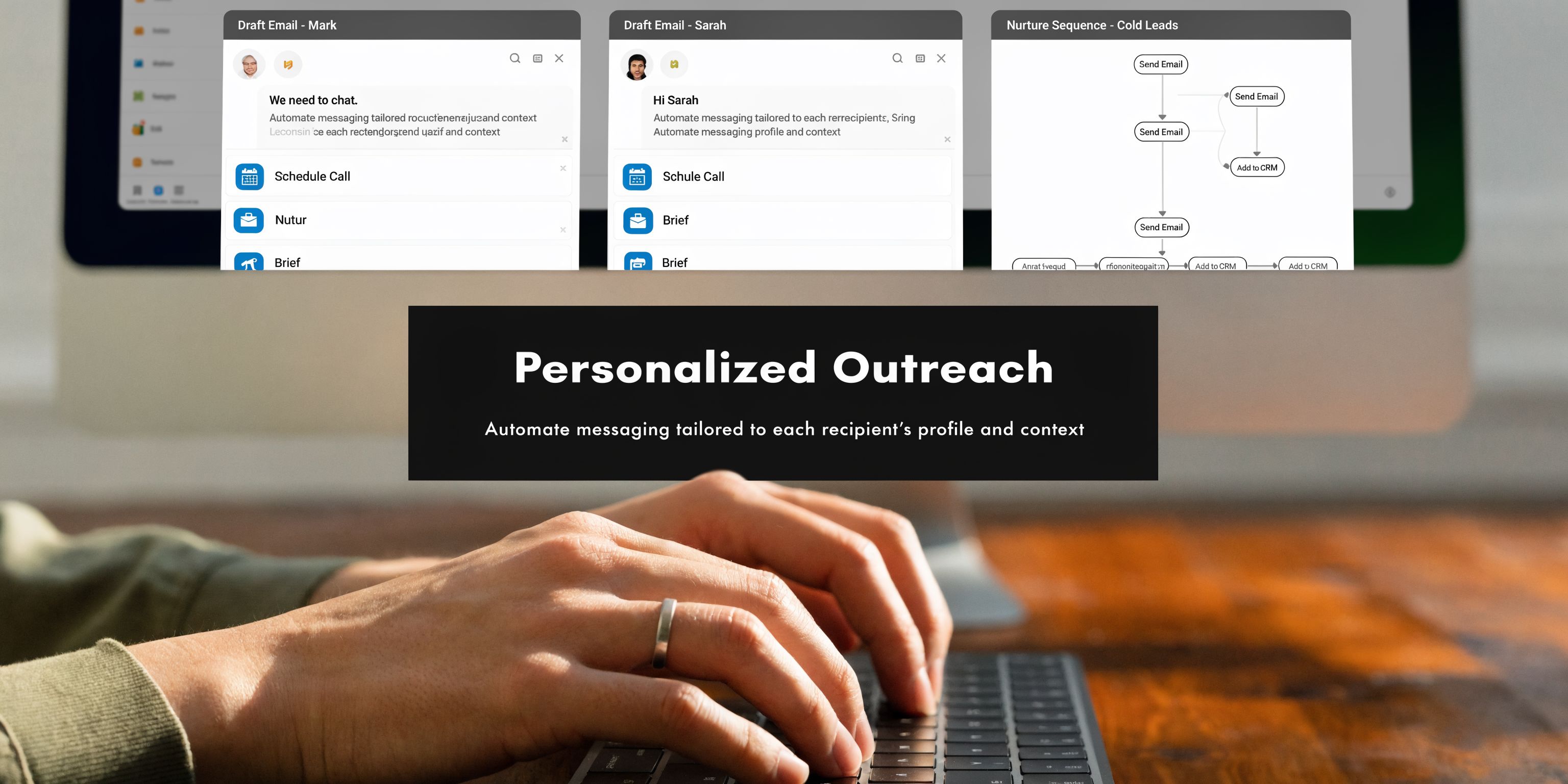
Personalization that actually affects replies
Lead generation teams often overestimate how much personalization they need and underestimate where it matters.
You don’t need a custom essay for every prospect. You need relevance in the right places:
-
Subject line: Clear and plain beats cute almost every time
-
Opening line: Tie to the company context, role context, or trigger
-
Problem framing: Show you understand the likely friction
-
Offer angle: Make the next step easy to evaluate
-
CTA: Ask for a conversation, not a commitment
A useful sequence usually includes multiple touches with different jobs. One email might lead with the operational pain. Another might challenge the status quo. A later touch can reduce risk by making the ask smaller.
A simple sequence structure that holds up
Here’s the structure I’d trust before I’d trust most template libraries.
Email one
Lead with a likely business issue tied to the buyer’s role. Keep it short. Mention one reason the problem matters now. End with a low-friction CTA.
Email two
Shift angle. Reference a workflow bottleneck, revenue leak, team burden, or tooling issue. The point is not repetition. The point is showing the problem from a second perspective.
Email three
Handle skepticism. Clarify who this is relevant for and who it isn’t. That often increases quality because it filters curiosity from fit.
Final touch
Keep it clean. A short bump or a polite closeout works better than forced urgency.
Field note: The prospect doesn’t need more enthusiasm. They need a reason to believe your email was meant for them.
Use list quality as a performance lever
Sequence performance is usually blamed on copy. In practice, list quality is often the bigger issue.
If titles are wrong, companies are off-segment, or records are stale, even good messaging struggles. That’s why list hygiene has to sit inside the campaign process, not outside it.
An automated validation and management process improves ROI by filtering bad leads and strengthening compliance. It also affects conversion timing. ActiveProspect reports that responding within the first minute boosts conversions by 391%, and that speed-to-lead has a major effect on vendor selection. That matters after the reply lands. If a prospect shows intent, your handoff speed now matters as much as your copy did.
The list hygiene checklist
This is the unglamorous work that keeps campaigns alive.
-
Verify every address: Don’t send to unvalidated emails and hope bounce rates stay manageable
-
Remove duplicates: One prospect receiving the same sequence from two inboxes creates instant distrust
-
Suppress bad-fit accounts: Existing customers, competitors, partners, students, and obvious mismatches should never enter the sequence
-
Track engagement state: Repliers, unsubscribes, soft stops, and booked leads need immediate suppression logic
-
Refresh stale records: Contacts age out. Titles change. Companies get acquired. Lists drift faster than lead generation teams anticipate.
For teams trying to improve relevance at scale, this cold email personalization guide is a practical reference: https://www.fypionmarketing.com/post/master-cold-email-personalization-to-boost-responses
What not to do
Three mistakes show up constantly.
First, overpersonalizing the opener and underpersonalizing the offer. A nice compliment doesn’t rescue a generic pitch.
Second, writing every step of the sequence in the same voice and structure. If each email feels interchangeable, prospects stop reading.
Third, keeping low-quality data in circulation because “maybe it still works.” It usually doesn’t. It just drags down deliverability and wastes send capacity.
Good list quality makes good copy look better. Poor list quality makes every copywriter look worse than they are.
Tracking Performance Metrics and Ensuring Compliance
If you can’t tell whether meetings came from targeting, copy, deliverability, or speed of follow-up, you don’t have a lead gen system. You have activity.
For lead generation for tech companies, performance tracking needs to answer two separate questions. First, is outreach mechanically healthy? Second, is it commercially useful?
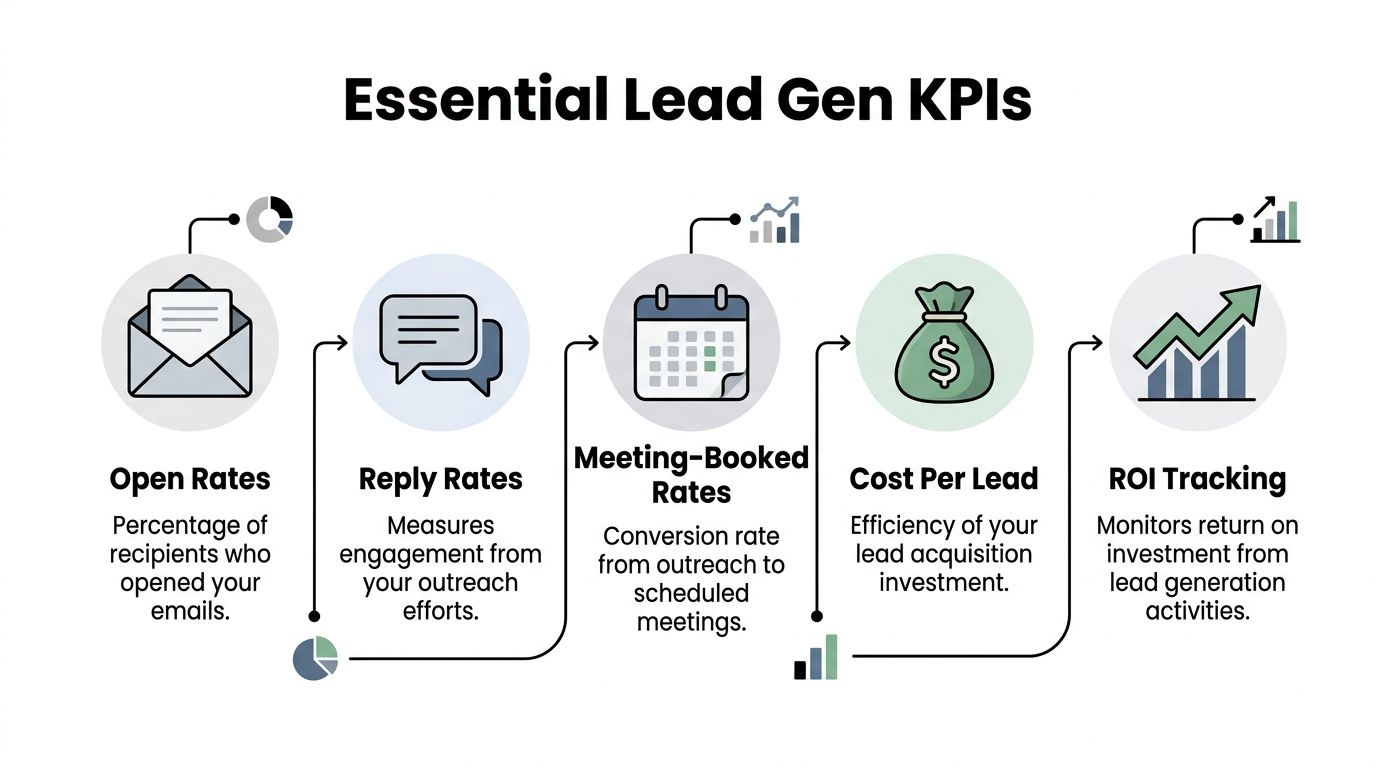
The KPI stack that actually matters
Plenty of teams track too much and understand too little. Start with a compact KPI stack.
Open rates
Open rates still help diagnose inbox placement and subject line effectiveness, even if they aren’t perfect. A drop can point to deliverability issues before reply quality slips.
Reply rates
Replies measure whether the message got attention. But don’t lump all replies together. Positive replies, objections, neutral responses, and disinterest need separate tags.
Meeting-booked rates
Here, outbound stops being content and starts being revenue work. A meeting is only useful if it matches pre-agreed qualification.
Cost per lead or meeting
You need to know what each booked opportunity costs in total operational terms, not just media or software spend.
ROI tracking
This is the final filter. If meetings book but pipeline quality stays weak, the campaign needs fixing even if top-level metrics look healthy.
For a clean operational checklist, this overview of Lead Generation KPIs is useful because it keeps reporting tied to actual funnel movement rather than vanity metrics.
Email still deserves the central dashboard slot
There’s a reason email remains the primary B2B channel. 88% of businesses use it as their primary channel in 2025, and automation drives 451% more leads, according to Dux-Soup’s B2B lead generation report. For tech companies, that doesn’t mean “send more email.” It means email deserves the clearest instrumentation because it carries so much of the commercial load.
Build one dashboard for operators and one for leaders
Operators need granular signals. Leadership needs decision signals.
A practical split looks like this:
| Dashboard type | Main purpose | Core fields |
|---|---|---|
| Execution dashboard | Spot delivery and response issues fast | sends, opens, replies, bounce patterns, positive reply categories, booked meetings |
| Revenue dashboard | Judge commercial value | meetings held, qualification pass rate, opportunity creation, sales feedback, pipeline contribution |
If those are merged into one noisy report, neither group gets what it needs.
Compliance is operational, not legal decoration
Too many teams treat compliance as boilerplate added after launch. In outbound, that’s reckless.
Your campaign needs clear rules for:
-
List sourcing: Know where the data came from
-
Lawful processing review: Especially if you’re contacting buyers across regions
-
Suppression management: Opt-outs must be honored immediately
-
Audit trail retention: You need records of consent logic, suppression logic, and contact handling
-
Message clarity: The sender and purpose must be understandable
This is especially important for companies selling into multiple geographies. Rules differ, but the operational standard should still be high even when the legal threshold varies.
The easiest way to create compliance risk is to let list building, sending, and reply handling live in separate systems with no shared suppression logic.
What a compliant workflow looks like in practice
A workable outbound compliance flow is usually simple:
-
Source contacts from a documented provider or internal research process
-
Validate and enrich before import
-
Apply exclusion lists before launch
-
Include clear identity and opt-out handling
-
Sync opt-outs and disqualifications back into CRM and sending tools
-
Review campaign logs regularly
The less glamorous this sounds, the better. Compliance problems usually come from messy ops, not from a missing paragraph in a policy doc.
Metrics without sales feedback are incomplete
Here, many agency and in-house programs drift.
A campaign can produce replies and even meetings, but sales may still reject the quality. That rejection isn’t anecdotal noise. It’s a signal that one of four things is broken:
-
targeting is too broad
-
messaging attracts curiosity instead of fit
-
qualification standards are weak
-
follow-up expectations between marketing and sales were never aligned
That’s why meeting feedback loops matter. Every held meeting should be tagged with outcome notes. Strong fit. Wrong seniority. Wrong timing. No pain. Competitor locked in. Internal build. Budget mismatch.
Those labels turn outbound from trial-and-error into a repeatable system.
One option for teams that want this managed end to end
Some companies build this in-house. Others use a specialist partner to handle the outreach engine. One option in that category is Fypion Marketing, which runs performance-based cold email campaigns for B2B companies and ties payment to qualified booked meetings rather than upfront retainers.
That model only works if the KPI and compliance layer is tight. Otherwise, “meetings booked” turns into a vanity metric wearing a revenue costume.
Optimizing, Scaling Strategies and Common Pitfalls
Once campaigns are producing meetings, the next mistake is usually impatience.
Teams either scale too early because they finally see traction, or they keep tinkering forever and never give a winning segment enough volume. Both hurt results.
What to optimize first
When performance is mixed, don’t change everything at once. Fix the variable with the highest impact.
Usually the order is:
-
Targeting quality
-
Offer relevance
-
Sequence structure
-
CTA strength
-
Volume and timing
Lead generation teams often reverse that list and start by sending more. That just multiplies weakness.
Scaling needs support from content, not just more sends
Outbound gets stronger when prospects can validate you after the first touch.
That’s where focused content matters. In tech buying, 59% of buyers use product sheets and 53% use case studies during vendor evaluation, according to The Insight Collective’s research on B2B lead generation strategies for IT and tech companies. That tells you something important. Once a prospect replies or checks your site, they want proof and clarity, not brand theater.
A workable support stack includes:
-
Product sheets for fast technical validation
-
Case studies that map the problem to the result
-
Landing pages aligned to the segment being targeted
-
Sales follow-up templates that continue the same message, not a different one
When to ramp volume
Scale volume only when three things are already stable:
-
Inbox health is consistent
-
Sales accepts the meeting quality
-
You understand which segment-message pair is carrying results
If one of those is unstable, scaling makes diagnosis harder.
Common pitfalls that quietly wreck outbound
Here’s what shows up most often in post-mortems.
Overloaded sequences
Too many touches. Too much copy. Too many asks. Prospects don’t reward persistence when every message feels like a longer version of the last one.
Domain neglect
Teams obsess over copy while sender health declines. If infrastructure weakens, everything downstream gets distorted.
Weak sales handoff
Marketing or agency teams celebrate replies. Sales takes too long to follow up or shows up unprepared. The opportunity was real, but the process wasted it.
Expanding segments too fast
One campaign works for funded SaaS companies in a narrow niche, so the team expands to every software category at once. Message relevance collapses.
Ignoring supporting assets
Prospects click through and find vague positioning, stale pages, or no proof. That doesn’t always kill replies, but it lowers meeting acceptance and show rates.
Scaling is not adding more prospects. It’s preserving what made the current segment work while increasing throughput.
A cleaner growth path
The strongest growth path usually looks like this:
| Stage | Focus |
|---|---|
| Early traction | Lock one segment, one pain point, one CTA |
| Stable performance | Add a second message angle or adjacent persona |
| Repeatable bookings | Expand by geography, vertical, or account size |
| Mature program | Layer in content, retargeting, and broader outbound support |
If you want a practical outsourcing lens on that transition from early traction to a repeatable engine, this resource is useful: https://www.fypionmarketing.com/post/mastering-b2b-lead-generation-outsourcing-for-scalable-growth
The companies that do lead generation for tech companies well aren’t always the loudest. They just keep a tight loop between targeting, messaging, delivery, and sales feedback. That loop is what scales.
Conclusion and Actionable Next Steps
The workable version of lead generation for tech companies is rarely the flashiest one.
It starts with a strict ICP. Then it uses the right channel mix, with cold email acting as the controllable core for direct pipeline creation. It protects deliverability with proper infrastructure. It earns replies through relevance, not gimmicks. It tracks performance at the meeting and revenue level, not just at the activity level. And it scales only after quality holds up.
A simple rollout plan works better than an ambitious one.
In the first month, lock the ICP, map buying triggers, set qualification criteria, and build infrastructure. In the next phase, launch one tightly segmented campaign, review replies and meeting quality weekly, and clean the list aggressively. After that, expand only the segment-message combinations that sales consistently accepts.
If you’re serious about performance, treat outbound like an operating system. Every part affects the next one.
If you want a pay-per-meeting outbound engine instead of another retainer, Fypion Marketing handles ICP research, cold email infrastructure, list building, personalization, campaign management, and qualified meeting delivery for B2B companies that already have product-market fit.